
If you have ever found yourself feeling hungry shortly after finishing a meal while trying to manage your weight, you are certainly not alone. The secret to sustainable fat loss and hunger management often lies not in restriction, but in strategic food selection. Incorporating high volume low calorie food into your daily diet is a game-changing strategy that allows you to eat larger portions, feel physically satisfied, and stay within your caloric budget without feeling deprived. By understanding the concept of energy density, you can transform your relationship with food and make long-term healthy eating habits significantly easier to maintain.
Understanding Energy Density

At the heart of the high volume low calorie food approach is the science of energy density. Energy density refers to the number of calories in a specific weight of food. Foods that are high in energy density—such as oils, butter, cheese, and processed snacks—provide a large number of calories in a very small volume. Conversely, low-energy-density foods, like vegetables, fruits, and broth-based soups, provide a large volume of food for very few calories.
When you focus your diet on these high-volume options, you are physically filling your stomach with more bulk. This stretching of the stomach walls sends signals to your brain that you are full, which is a crucial mechanism for appetite control. Essentially, you are “hacking” your satiety signals by consuming larger meals that contain fewer calories overall.
Key Benefits of Volumetrics for Weight Management
Adopting this dietary strategy offers several physiological and psychological advantages:
- Increased Satiety: Larger portions physically occupy more space in your stomach, keeping hunger at bay for longer periods.
- Better Nutrient Intake: Most high-volume foods are fruits and vegetables, which are naturally packed with vitamins, minerals, and antioxidants.
- Reduced Caloric Intake: Because these foods are less calorie-dense, you can eat until you are genuinely satisfied without overshooting your daily calorie goals.
- Sustainability: Unlike restrictive crash diets that focus on cutting out food groups, this method focuses on adding more food, making it much easier to stick with long-term.
Top High Volume Low Calorie Food Choices
To implement this effectively, you need to know which foods provide the most “bang for your buck.” Below is a breakdown of common foods categorized by their low-calorie profile.
| Food Group | Examples | Why it Works |
|---|---|---|
| Non-Starchy Vegetables | Spinach, Zucchini, Broccoli, Cauliflower, Cucumber | Extremely low in calories; mostly water and fiber. |
| Fresh Fruits | Berries, Watermelon, Strawberries, Grapefruit | High water content and natural sweetness. |
| Legumes & Beans | Lentils, Chickpeas, Black Beans | Fiber-rich; provides bulk and sustained energy. |
| Lean Proteins | Egg whites, White fish, Chicken breast | High protein helps with satiety; relatively low in fat. |
💡 Note: While these foods are excellent for volume eating, always ensure you are still getting adequate healthy fats and complex carbohydrates for overall hormonal health and energy levels.
Practical Tips for Incorporating These Foods
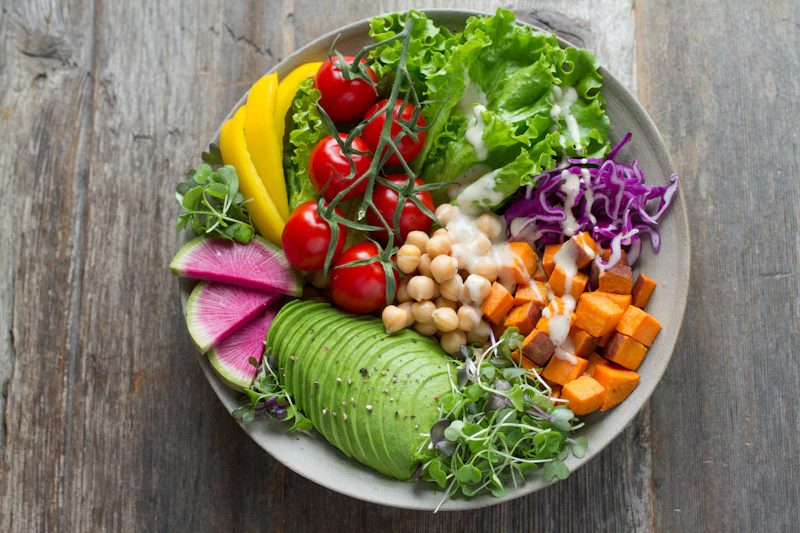
Transitioning to a higher volume diet does not have to be difficult. Here are a few simple ways to start:
- Start with a Salad or Soup: Eat a large salad or a bowl of vegetable broth soup before your main entrée. This reduces your appetite before you start the more calorie-dense portion of your meal.
- Bulk Up Your Favorites: If you are making pasta, replace half of the noodles with sautéed zucchini noodles (zoodles) or steamed broccoli. You get the same mouthfeel but significantly fewer calories.
- Choose Whole Fruits over Juices: Whole fruits contain fiber, which adds volume and slows digestion. Juices remove the fiber, making it easier to consume high calories without feeling full.
- Prioritize Water-Rich Foods: Foods like cucumbers, celery, lettuce, and watermelon have very low calorie density due to their high water content.
The Role of Fiber and Protein
While high volume low calorie food options are usually plant-based, it is essential to pair them with adequate protein and fiber. Fiber adds bulk and slows down the absorption of nutrients, which helps keep your blood sugar stable and prevents mid-afternoon energy crashes. Protein is the most satiating macronutrient; by combining fibrous vegetables with a serving of lean protein, you create a meal that hits all the right notes for both satisfaction and weight management.
💡 Note: When increasing your fiber intake, make sure to drink plenty of water. High fiber intake without enough hydration can lead to digestive discomfort.
Common Pitfalls to Avoid
While this approach is highly effective, some people fall into traps that hinder their progress:
- Hidden Calories: Using heavy dressings, sauces, or excessive oils on your “healthy” salad can quickly turn a low-calorie meal into a high-calorie one. Opt for vinegar, lemon juice, or herbs instead.
- Neglecting Variety: Eating the same three vegetables every day can lead to boredom and “diet fatigue.” Experiment with roasting, steaming, or raw preparation methods to keep things interesting.
- Ignoring Hunger Cues: Even with high-volume eating, it is important to eat mindfully. Pay attention to your body’s signals and stop when you are comfortably satisfied, not stuffed.
Mastering the art of eating high volume low calorie food is one of the most effective ways to reach your health goals without the constant struggle of feeling hungry. By focusing your plate on fibrous vegetables, lean proteins, and hydrating fruits, you can maintain a caloric deficit comfortably while fueling your body with the nutrients it needs to thrive. It is not about eliminating your favorite foods entirely, but rather about creating a foundation of volume-based meals that allow for flexibility. As you shift your habits toward these nutrient-dense choices, you will likely find that your energy levels stabilize, your cravings decrease, and your overall approach to nutrition feels much more sustainable and enjoyable. Start by adding one extra portion of vegetables to your dinner tonight and observe how much fuller you feel after the meal.
Related Terms:
- lowest calorie filling foods
- low cal high volume recipes
- ultra low calorie foods
- large volume low calorie meals
- low calorie weight loss recipes
- high volume low calorie recipes