
The role of an Emergency Room Doctor is one of the most demanding, fast-paced, and vital positions in the entire healthcare ecosystem. Often referred to as the frontline of medicine, these specialists are responsible for evaluating, diagnosing, and stabilizing patients who arrive with acute illnesses or severe injuries. Unlike other medical fields where you might have the luxury of time to review a patient's long-term history, an Emergency Room Doctor must possess the ability to make split-second, life-saving decisions under immense pressure. Whether dealing with a sudden cardiac arrest, a complex trauma case, or a child with a high fever, their expertise is the thin line between a critical situation and a successful outcome.
What Exactly Does an Emergency Room Doctor Do?
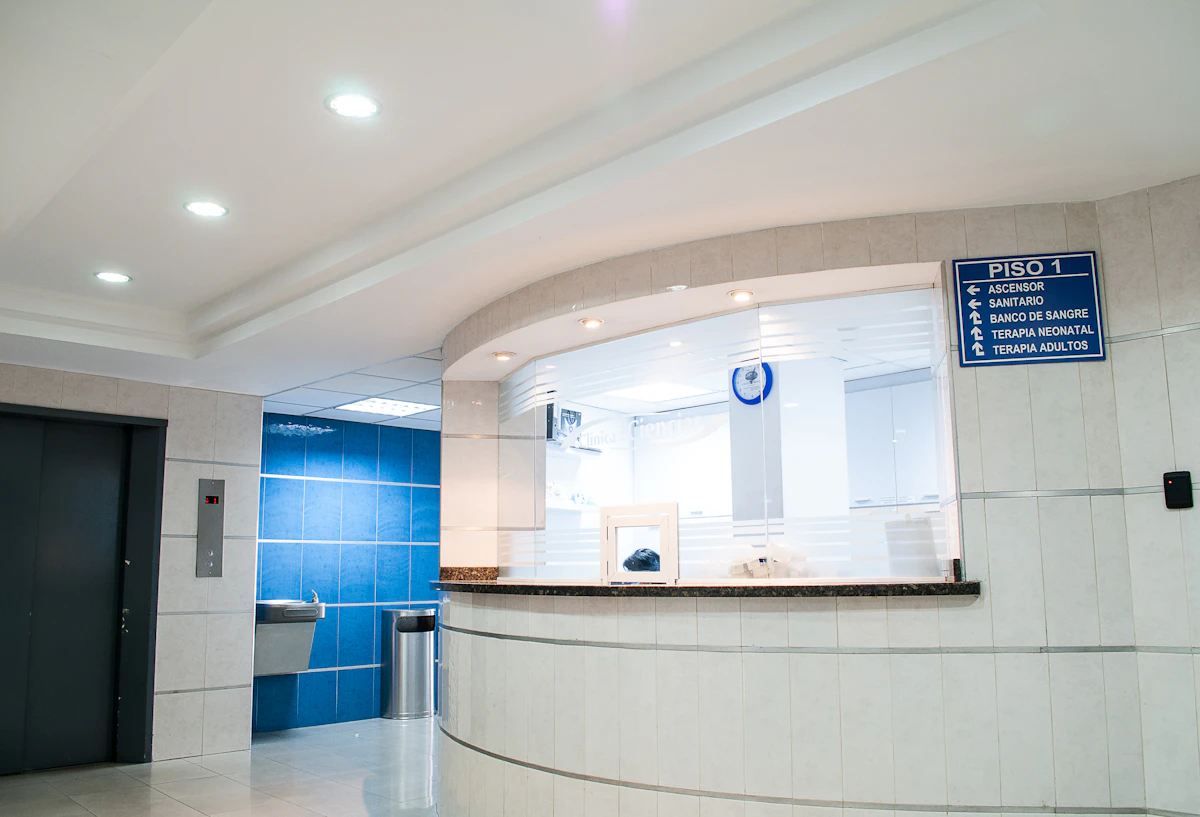
The daily life of an Emergency Room Doctor is defined by unpredictability. They work in a high-acuity environment where no two hours are the same. Their primary responsibility is to manage the initial phase of patient care, ensuring that life-threatening conditions are addressed immediately before determining the next steps, which could range from discharge to admission into the hospital for specialized care.
Their daily tasks typically involve:
- Triage Assessment: Quickly determining the severity of a patient's condition to prioritize care.
- Critical Stabilization: Performing procedures such as intubation, CPR, or stopping severe hemorrhages.
- Diagnostic Interpretation: Reviewing X-rays, CT scans, and lab results in real-time to identify the root cause of symptoms.
- Patient Advocacy and Communication: Explaining complex medical situations to frightened patients and their families.
- Crisis Management: Coordinating with surgical teams, neurologists, and other specialists for patients requiring urgent specialized intervention.
Required Skills and Training for ER Specialists

Becoming an Emergency Room Doctor is a rigorous journey that requires years of dedication. It is not merely about having technical knowledge; it is about having the temperament to remain calm when the world around you is in chaos. The training pathway typically includes four years of medical school followed by a three-to-four-year residency in Emergency Medicine.
Key traits required to succeed in this field include:
- Exceptional Stamina: The ability to work long, irregular shifts, including nights, weekends, and holidays.
- Resilience: Developing the mental fortitude to cope with high-stress situations and tragic outcomes.
- Adaptability: The capacity to switch focus instantly from a minor injury to a major medical emergency.
- Teamwork: Working seamlessly with nurses, paramedics, technicians, and respiratory therapists to provide holistic care.
Comparing the ER to Other Hospital Departments
It is helpful to understand how the Emergency Room Doctor differs from other specialists. While a cardiologist might focus solely on the heart and an orthopedist on bones, the ER specialist must be a "jack of all trades," capable of handling almost any medical complaint that walks through the door.
| Feature | Emergency Room Doctor | Primary Care Physician |
|---|---|---|
| Focus | Acute/Life-threatening | Preventative/Chronic |
| Patient History | Often unknown/limited | Comprehensive/Long-term |
| Environment | High-paced, unpredictable | Scheduled, routine |
| Outcome | Immediate stabilization | Long-term management |
⚠️ Note: While an Emergency Room Doctor is capable of providing life-saving care for almost any condition, they are not a substitute for your primary care doctor, who handles routine checkups and long-term health management.
The Impact of Technology on Emergency Medicine
Modern emergency medicine has been significantly transformed by technology. Today, an Emergency Room Doctor has access to point-of-care ultrasound (POCUS), which allows them to visualize internal injuries or cardiac activity within seconds of meeting a patient. Electronic health records (EHR) have also streamlined the process of sharing information, although the speed of the ER still demands that the doctor rely heavily on their clinical intuition and physical examination skills.
Advancements such as telemedicine are now helping rural Emergency Room Doctor teams consult with top-tier specialists in real-time, ensuring that a patient in a remote area gets access to the same quality of diagnostic expertise as someone in a major metropolitan hospital.
When Should You Visit the Emergency Room?
Knowing when to seek help from an Emergency Room Doctor is crucial. Many people visit the ER for minor illnesses that could be handled at an urgent care center, which can lead to longer wait times for those with true emergencies. You should seek emergency care if you experience symptoms like chest pain, difficulty breathing, sudden weakness or numbness on one side of the body, or significant physical trauma.
Common scenarios that require an immediate ER visit include:
- Severe chest pain or pressure.
- Signs of a stroke (slurred speech, drooping face).
- Uncontrollable bleeding or deep wounds.
- High fever accompanied by a stiff neck or mental confusion.
- Compound fractures or severe head injuries.
💡 Note: Always call emergency services (like 911) if you or someone else is experiencing symptoms that suggest a life-threatening emergency, rather than attempting to drive to the hospital yourself.
Managing the High-Stress Environment
Burnout is a recognized challenge for professionals in this field. The sheer volume of patients, combined with the emotional toll of witnessing trauma, means that self-care is a professional necessity for an Emergency Room Doctor. Many successful physicians in this department prioritize physical health, mindfulness, and healthy outlets outside of the hospital to maintain their effectiveness during their shifts. Despite these challenges, the ability to provide instant relief to someone in their greatest hour of need remains the most rewarding aspect of the job.
The profession of an Emergency Room Doctor is fundamentally rooted in a commitment to service and excellence. By combining rapid diagnostic capabilities with a calm, decisive approach, these medical professionals ensure that every patient who walks through the doors of an emergency department receives the best possible chance at recovery. As medical technology continues to evolve, the core of the role remains the human element: the skilled, compassionate practitioner ready to respond at a moment’s notice to provide help when it is needed most. Whether you are a patient seeking care or someone considering a career in medicine, understanding the vital importance of these doctors offers a deep appreciation for the complex, life-saving work that happens every day in the ER.
Related Terms:
- emergency room doctor training
- emergency room doctor job description
- where do er doctors work
- emergency room physician salary
- responsibilities of an emergency physician
- emergency room doctor title