
Navigating the healthcare landscape in a growing community requires access to reliable, high-quality medical services that prioritize patient well-being above all else. Weatherford Regional Hospital stands as a cornerstone of health within its service area, acting as a vital hub for residents seeking both emergency care and long-term wellness support. For many individuals and families, understanding the capabilities, specialties, and patient-centered philosophy of a local medical facility is essential for making informed decisions about their healthcare journey. By bridging the gap between advanced medical technology and compassionate, personalized care, the institution continues to serve as an indispensable pillar of community health.
Understanding the Role of Community-Focused Healthcare
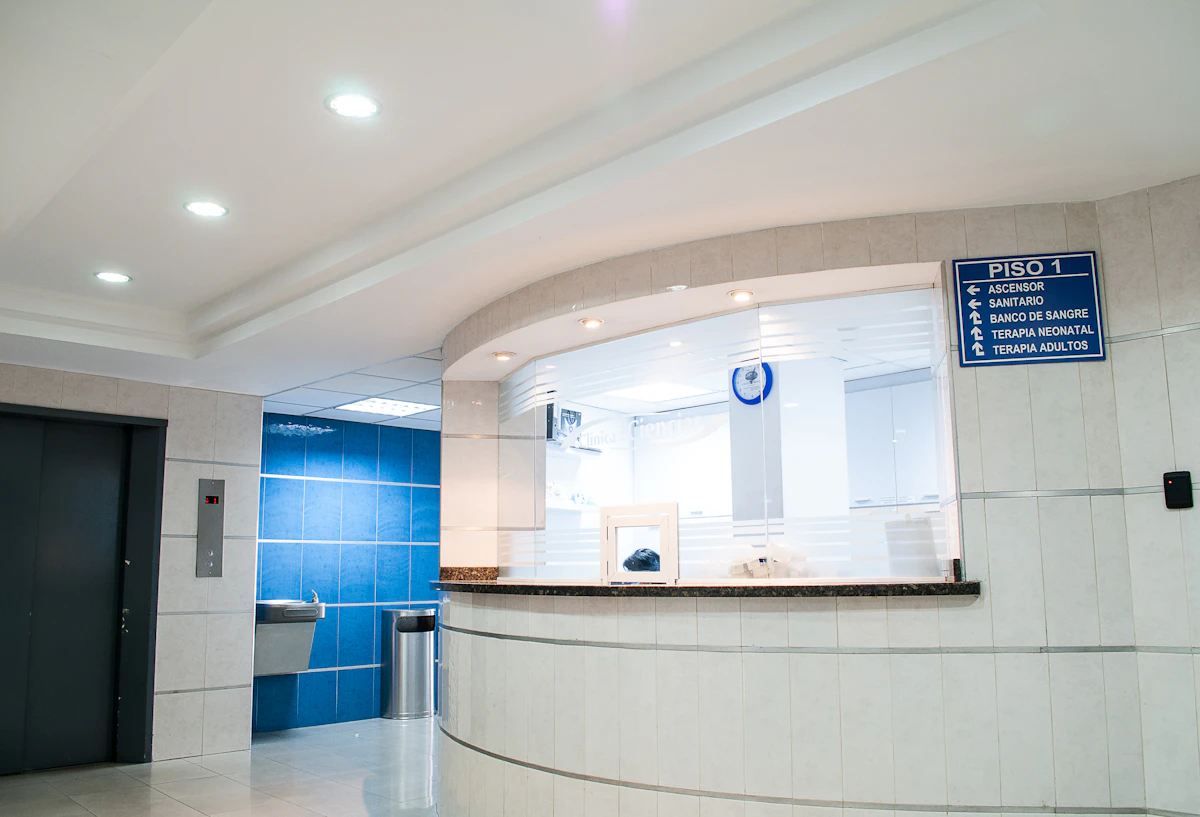
The significance of Weatherford Regional Hospital cannot be overstated when considering the unique needs of a regional population. Unlike massive urban medical centers that may feel impersonal, this facility focuses on maintaining a deep connection with the community it serves. This approach ensures that patients are not just treated as cases, but as neighbors and individuals with specific health goals and backgrounds.
Healthcare providers in this setting often possess a dual commitment: staying abreast of modern clinical advancements while retaining the empathy required for effective patient communication. The integration of technology and touch is a hallmark of the care provided here. When residents choose Weatherford Regional Hospital, they are opting for a system that understands local health trends, environmental health factors, and the specific socioeconomic landscape of the region.
Core Clinical Services and Specialties
To meet the diverse requirements of the public, the hospital offers a broad spectrum of services. These are designed to handle everything from routine check-ups to complex, life-saving interventions. Key departments and services typically include:
- Emergency Services: 24/7 access to trauma care and acute illness management with rapid stabilization protocols.
- Diagnostic Imaging: Advanced tools such as MRI, CT scans, and digital X-ray services for accurate, timely diagnosis.
- Surgical Services: A dedicated suite for both elective and emergency surgical procedures, supported by board-certified anesthesiologists.
- Inpatient Care: Comfortable, monitored rooms for patients requiring overnight observation and recovery post-procedure.
- Outpatient Clinics: Specialized follow-up care that allows patients to manage chronic conditions without needing extended hospital stays.
The facility continuously invests in training its staff, ensuring that nurses, technicians, and physicians are proficient with the latest medical equipment. This commitment to ongoing education is a critical factor in the hospital’s ability to maintain high safety standards and positive patient outcomes.
Comparison of Service Accessibility
Understanding how different departments operate helps patients plan their visits more effectively. The following table provides a breakdown of service availability and focus areas typical for a regional facility of this caliber.
| Service Area | Primary Focus | Availability |
|---|---|---|
| Emergency Department | Trauma and Acute Care | 24/7 |
| Laboratory Services | Blood work and Pathology | Standard Business Hours/On-Call |
| Diagnostic Imaging | Radiology and Scans | By Appointment/Urgent Need |
| Specialty Consults | Chronic Condition Management | Scheduled Appointments |
💡 Note: Patients experiencing life-threatening symptoms should always seek immediate emergency care rather than waiting for scheduled appointment times, regardless of the service department's standard hours.
Prioritizing Patient-Centered Care
At the heart of Weatherford Regional Hospital is a philosophy that emphasizes patient-centered care. This means involving the patient and their family in the decision-making process. Research suggests that when patients are well-informed and feel heard by their medical team, their adherence to treatment plans increases, and their overall recovery experience improves significantly.
Effective communication is facilitated through:
- Clear Care Pathways: Explaining the "why" and "how" of every treatment step.
- Shared Decision Making: Discussing risks, benefits, and alternatives for surgical or therapeutic interventions.
- Patient Education Materials: Providing resources to manage health at home after discharge.
- Advocacy Programs: Ensuring that the needs of vulnerable populations, including the elderly, are met with dignity and sensitivity.
By fostering an environment of transparency, the hospital works hard to mitigate the anxiety often associated with medical procedures, creating a supportive atmosphere that aids in healing.
Technology and Infrastructure
The physical infrastructure of Weatherford Regional Hospital has undergone significant upgrades to keep pace with the digital evolution of healthcare. Modern medical records systems allow for seamless sharing of patient history between different departments, reducing the risk of errors and ensuring that every physician has an accurate snapshot of the patient’s health. Telehealth capabilities have also been integrated into many service areas, allowing for remote consultations that save patients time and travel, especially for those living in outlying areas of the region.
Furthermore, the maintenance of hospital facilities goes beyond just technology. The environment itself—clean, quiet, and well-lit—is designed to promote rest and recovery. Hospital administrators recognize that a healing environment is as much about the physical space as it is about the clinical expertise provided within it.
Community Engagement and Health Initiatives
A hospital’s responsibility extends beyond its walls. Through various community outreach programs, the staff helps to educate the public on preventative health measures. These initiatives often include:
- Free health screenings (blood pressure, glucose, etc.) at community fairs.
- Workshops on nutrition and disease management for local schools and senior centers.
- Public awareness campaigns regarding seasonal health threats such as flu prevention or heat exhaustion management.
By participating in these activities, Weatherford Regional Hospital builds trust within the community, encouraging residents to prioritize their health before a crisis occurs. This proactive approach helps reduce the burden on emergency services over the long term and creates a healthier, more resilient population overall.
💡 Note: Be sure to verify specific outreach event dates and times through local community bulletins or public notice boards, as schedules are updated seasonally based on regional health needs.
Final Reflections on Regional Healthcare Excellence
Choosing the right medical facility is a significant decision that affects your quality of life and long-term health prospects. Weatherford Regional Hospital stands out as an essential resource, combining the technical capabilities of a modern medical center with the warmth of community-focused service. From the moment of intake to the final stages of recovery, the emphasis on empathy, efficiency, and clinical excellence ensures that patients remain in capable hands. By prioritizing patient education, utilizing advanced diagnostic tools, and actively engaging with the local community, the facility continues to set a standard for what regional healthcare can and should be. Whether you are a long-term resident or new to the area, recognizing the value of such a hospital ensures you are prepared to manage your health and well-being effectively in any circumstance.
Related Terms:
- weatherford regional hospital phone number
- weatherford regional hospital lab
- weatherford regional hospital radiology
- weatherford regional hospital fax number
- weatherford regional medical center tx
- weatherford regional hospital jobs