
The human brain is an incredibly complex organ, processing vast amounts of sensory information every millisecond to help us navigate our environment. Among the various structures dedicated to sensory processing, the Medial Geniculate Nucleus (MGN) stands out as a critical junction for auditory information. Located within the thalamus, the MGN serves as the primary gateway for auditory signals as they travel from the ears to the higher cortical areas of the brain. Understanding this structure is essential for anyone interested in neuroscience, audiology, or how we perceive the world of sound.
Anatomy and Location of the Medial Geniculate Nucleus
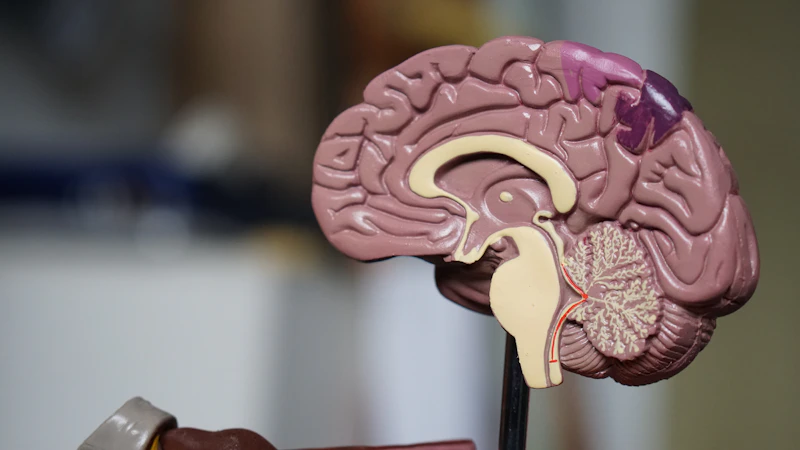
The Medial Geniculate Nucleus is part of the diencephalon, specifically embedded within the thalamus. Anatomically, the thalamus is a large mass of gray matter positioned between the cerebral cortex and the midbrain. The MGN is specifically located in the ventral posterior region of the thalamus. Because of its strategic positioning, it is often referred to as the thalamic relay station for the auditory system.
The structure itself is not a monolithic block of cells; rather, it is divided into several sub-nuclei, each with distinct functional roles:
- Ventral Division: Primarily responsible for relaying tonotopic information—the organization of sound frequencies—directly to the primary auditory cortex.
- Dorsal Division: Involved in more complex processing, including integrating multisensory inputs.
- Medial Division: Plays a significant role in emotional and autonomic responses to sound, including fear conditioning.
The Auditory Pathway: Where the MGN Fits In
To appreciate the function of the Medial Geniculate Nucleus, one must understand the journey a sound wave takes. When sound enters the ear, it is converted into electrical impulses by the cochlea. These signals travel through the auditory nerve and pass through a series of brainstem nuclei, including the cochlear nucleus and the inferior colliculus.
The inferior colliculus acts as a major processing hub before finally projecting these signals to the MGN. Once the signals arrive at the MGN, they are refined and directed to the primary auditory cortex (located in the temporal lobe). This path ensures that sounds are not just heard, but effectively decoded for meaning, location, and emotional context.
Key Functions of the Medial Geniculate Nucleus
The Medial Geniculate Nucleus is far more than just a relay station; it is an active filter. It plays a pivotal role in several high-level functions:
- Frequency Discrimination: Through its tonotopic organization, the MGN ensures that different frequencies are mapped accurately to the cortex, allowing us to distinguish high-pitched sounds from low-pitched ones.
- Sensory Gating: The MGN helps filter out background noise, allowing the brain to focus on significant sounds. This is crucial for speech comprehension in noisy environments.
- Acoustic Startle Response: The MGN works with the amygdala to initiate fast, protective responses to sudden, loud noises, linking auditory input directly to survival mechanisms.
- Emotional Processing: By communicating with the limbic system, the MGN contributes to how we respond emotionally to specific types of sounds, such as music or alarm sirens.
| Feature | Description |
|---|---|
| Anatomical Location | Thalamus (Ventral Posterior) |
| Primary Input | Inferior Colliculus |
| Primary Output | Primary Auditory Cortex |
| Functional Role | Auditory relay, filtering, and emotional association |
💡 Note: Damage or dysfunction within the Medial Geniculate Nucleus can lead to severe auditory processing disorders, potentially impairing a person's ability to localize sound or differentiate between speech and background noise.
Clinical Significance and Research
Research into the Medial Geniculate Nucleus is currently a hot topic in fields ranging from neurology to psychiatry. Because the MGN is involved in fear conditioning and the processing of emotional sounds, scientists believe it may play a role in several mental health conditions. For example, in cases of post-traumatic stress disorder (PTSD), the neural connections between the MGN and the amygdala may be overactive, leading to hyper-vigilance toward startling sounds.
Furthermore, studies using advanced imaging techniques are uncovering how the MGN adapts to hearing loss. When the input from the ears is diminished—such as in age-related hearing loss—the MGN and the auditory cortex can undergo plastic changes, sometimes leading to the manifestation of tinnitus. Understanding how the Medial Geniculate Nucleus compensates for lost input provides a foundation for future therapeutic interventions, such as brain stimulation or targeted pharmacological treatments.
The Future of Auditory Neuroscience
As technology evolves, our ability to observe the Medial Geniculate Nucleus in vivo has improved significantly. Optogenetics and high-resolution functional MRI (fMRI) have allowed researchers to map the connections between the thalamus and the cortex with unprecedented detail. These insights are not only deepening our academic understanding of the brain but are also paving the way for better clinical outcomes for individuals living with hearing impairments or auditory processing neurological conditions.
The Medial Geniculate Nucleus serves as a vital bridge between the physical vibrations of the outside world and our internal mental experience. By functioning as both a conduit for raw information and a sophisticated filter for emotional and prioritized sound, it enables the complex auditory landscape we experience every day. As research continues to peel back the layers of this fascinating structure, we move closer to fully grasping the nuances of how we perceive, react to, and interpret the symphony of life around us. The study of this nucleus remains a cornerstone of sensory neuroscience, reminding us that every sound we hear is the result of a perfectly timed relay through the deepest centers of our brain.
Related Terms:
- medial geniculate body
- medial geniculate nucleus function
- lateral vs medial geniculate nucleus
- medial geniculate nucleus definition
- medial and lateral geniculate nucleus
- medial geniculate nucleus location