
In the digital age, photography has transcended traditional boundaries, allowing artists and models to explore aesthetic expression in entirely new ways. Among the various styles gaining traction, the concept often referred to by enthusiasts as Bella Luna Nudes represents a specific approach to fine-art figure photography. This style focuses on the interplay of natural lighting, silhouette, and human form, aiming to celebrate the artistry of the body rather than focusing on overt objectification. As with any niche in photography, understanding the underlying principles of lighting, composition, and artistic intent is essential for both creators and those who appreciate the genre.
The Evolution of Fine-Art Figure Photography
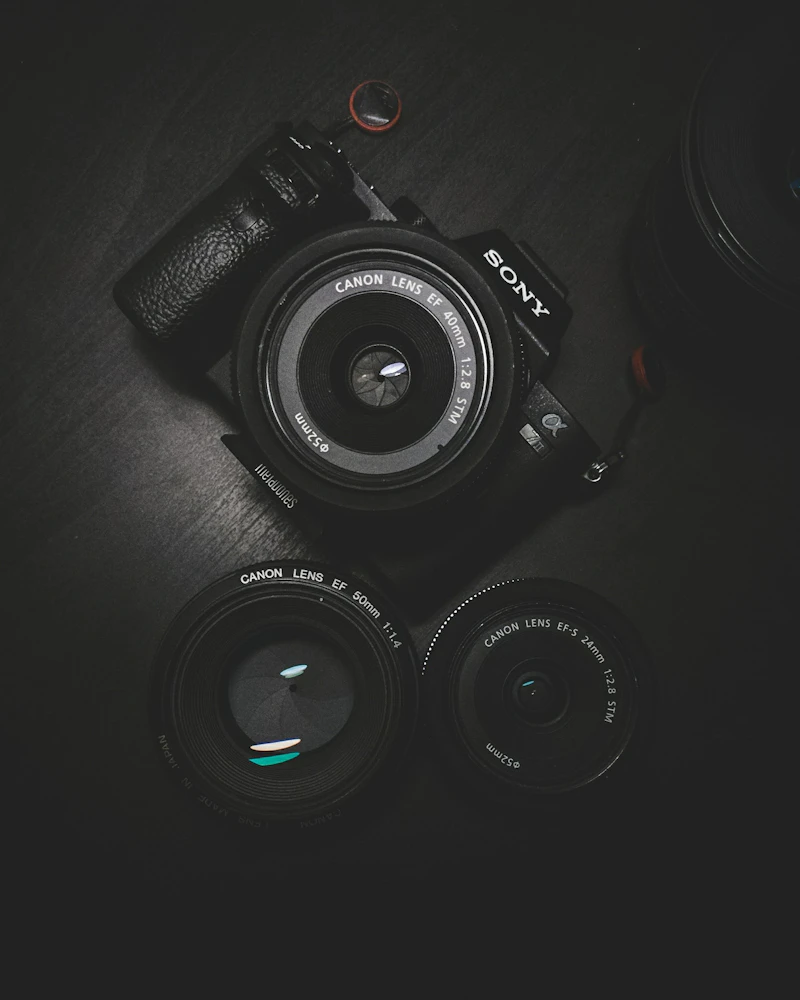
Figure photography has a rich history that bridges the gap between classic sculpture and modern digital media. When individuals search for terms like Bella Luna Nudes, they are frequently looking for high-quality, tasteful imagery that emphasizes elegance and grace. The evolution of this genre has been heavily influenced by the transition from film to digital sensors, which allows for greater manipulation of light and shadow, often referred to as chiaroscuro.
Modern fine-art figure photography, especially in the context of aesthetic exploration, generally adheres to a few core principles:
- Minimalism: Using simple backgrounds to ensure the viewer's focus remains solely on the subject.
- Lighting Control: Utilizing soft, diffused lighting to highlight body contours rather than creating harsh, distracting highlights.
- Intentional Posing: Focusing on fluid, natural shapes rather than forced or rigid positions.
Understanding Aesthetic Photography Techniques
Achieving the specific aesthetic associated with high-end figure photography requires technical proficiency. Photographers often use specific gear and post-processing techniques to create a cohesive, artistic look. Whether working in a studio or utilizing natural light, the goal is to create images that feel timeless rather than fleeting.
Below is a quick overview of technical aspects often employed in this niche:
| Technique | Purpose |
|---|---|
| Softbox Lighting | To create gentle gradients across the skin. |
| Wide Aperture (low f-stop) | To create a shallow depth of field, blurring the background. |
| Black and White Conversion | To emphasize shape, texture, and emotional depth. |
💡 Note: Always prioritize the comfort and consent of the model. Ethical practice is the foundation of any reputable photography project, ensuring a professional and respectful environment during all shoots.
Composition and Narrative in Figure Art
The most compelling images within this genre tell a story without relying on excessive props or busy environments. When exploring works tagged under Bella Luna Nudes, viewers often find that the most impactful pieces utilize negative space to frame the subject. This creates a sense of openness and allows the viewer to project their own interpretation onto the art.
Composition is not just about where the subject is placed, but also about how the lines of the body interact with the frame. Photographers often look for:
- Leading Lines: Using the arms, legs, or torso to guide the viewer’s eye across the image.
- Triangular Shapes: Creating balance within the frame, a classic technique in both painting and photography.
- Texture Contrast: Highlighting the contrast between smooth skin and textured backgrounds like fabric or stone.
The Role of Lighting in Defining Form
Lighting is the sculptor’s chisel in the world of photography. To properly capture the aesthetic nuances, photographers must master the art of shadow. By placing light sources at specific angles, they can emphasize muscle definition, curves, and delicate features. This is critical in high-end photography, where the objective is to elevate the subject into an art form.
For those interested in the craft, practicing with a single light source is highly recommended. It forces the photographer to understand how light falls on the body before moving on to more complex multi-light setups.
💡 Note: When experimenting with lighting, ensure the ambient light does not interfere with your artificial lighting to keep the color temperature consistent and easier to edit during the post-processing phase.
Final Thoughts on Aesthetic Appreciation
As the landscape of digital photography continues to shift, the appreciation for classic, tasteful figure art remains steady. The focus on technique, composition, and the celebration of the human form ensures that this style continues to attract those who view photography as an extension of traditional fine arts. By understanding the core elements—from the deliberate use of light and shadow to the importance of ethical, professional standards—one can better appreciate the nuances within this creative space. Whether viewed as a study of anatomy or a pursuit of aesthetic beauty, this genre remains a fascinating intersection of technical skill and artistic vision.