
In a world where we often feel disconnected from our own bodies due to constant stress, sedentary desk jobs, and digital distractions, many are turning to alternative movement practices to restore balance. If you have been searching for a way to move that feels less like a workout and more like a therapeutic release, you may have encountered the term somatic yoga. So, what is somatic yoga, and how does it differ from the traditional flow classes found in most gyms? At its core, somatic yoga is a practice that prioritizes internal sensation over external aesthetics. Unlike standard yoga, which focuses heavily on stretching muscles into specific shapes or achieving the perfect pose, somatic yoga emphasizes the process of moving, focusing on the sensory feedback loop between the brain and the body.
Understanding the Essence of Somatic Yoga

To truly grasp what is somatic yoga, we must look at the word “somatic.” It comes from the Greek word “soma,” meaning “the body as perceived from within.” Traditional yoga often relies on a teacher demonstrating a pose that you are meant to mimic. Somatic yoga, however, turns the lens inward. It is a form of neuromuscular re-education designed to help you release chronic muscle tension caused by the “stress reflex.”
When we experience stress, our bodies often hold onto that tension unconsciously. Over time, this leads to what experts call "sensory-motor amnesia," where your brain essentially forgets how to relax certain muscle groups. Somatic yoga uses slow, intentional movements—often referred to as pandiculation—to wake up these dormant muscles and reset the nervous system.
The Core Principles of the Practice
The practice is defined by a few fundamental principles that differentiate it from athletic forms of exercise:
- Mindful Awareness: Every movement is performed with total attention to how the muscles feel during contraction and release.
- Slow, Controlled Motion: Speed is the enemy of sensitivity. By moving slowly, you allow your brain to map the movement more effectively.
- Pandiculation: This is the hallmark of somatic yoga. It involves a voluntary contraction of a muscle followed by a slow, deliberate release to return the muscle to a resting state.
- No Forced Stretching: In somatic yoga, you never push past your current range of motion. You work within your own comfortable limits to avoid triggering the stretch reflex.
Key Differences: Somatic Yoga vs. Traditional Yoga
Understanding what is somatic yoga often requires a direct comparison to the styles of yoga that most people are familiar with, such as Vinyasa or Hatha. While both practices have immense value, their goals often differ significantly.
| Feature | Traditional Yoga | Somatic Yoga |
|---|---|---|
| Primary Goal | Flexibility, strength, and alignment | Neuromuscular release and nervous system regulation |
| Movement Speed | Varies from flow to static holds | Extremely slow and rhythmic |
| Focus | External form and pose achievement | Internal sensation and sensory feedback |
| Key Technique | Stretching | Pandiculation |
💡 Note: While somatic yoga is incredibly gentle, it is still a physical practice. Always consult with a healthcare provider if you have underlying chronic conditions or are recovering from a major injury.
The Benefits of Regular Somatic Movement
The beauty of learning what is somatic yoga is discovering its potential to transform your daily physical experience. Because it addresses the nervous system directly, the benefits often go far beyond simple muscle relief.
One of the most profound benefits is pain reduction. Many people deal with chronic back or neck pain that stems from habitual tension patterns. By teaching your brain how to "let go" of those muscles, you are addressing the root cause rather than just treating the symptom. Furthermore, practitioners often report:
- Improved posture and body alignment without effort.
- Decreased anxiety levels due to the down-regulation of the nervous system.
- Greater range of motion that feels organic rather than forced.
- Enhanced body awareness, making it easier to identify and release stress before it turns into pain.
How to Start Your Somatic Journey
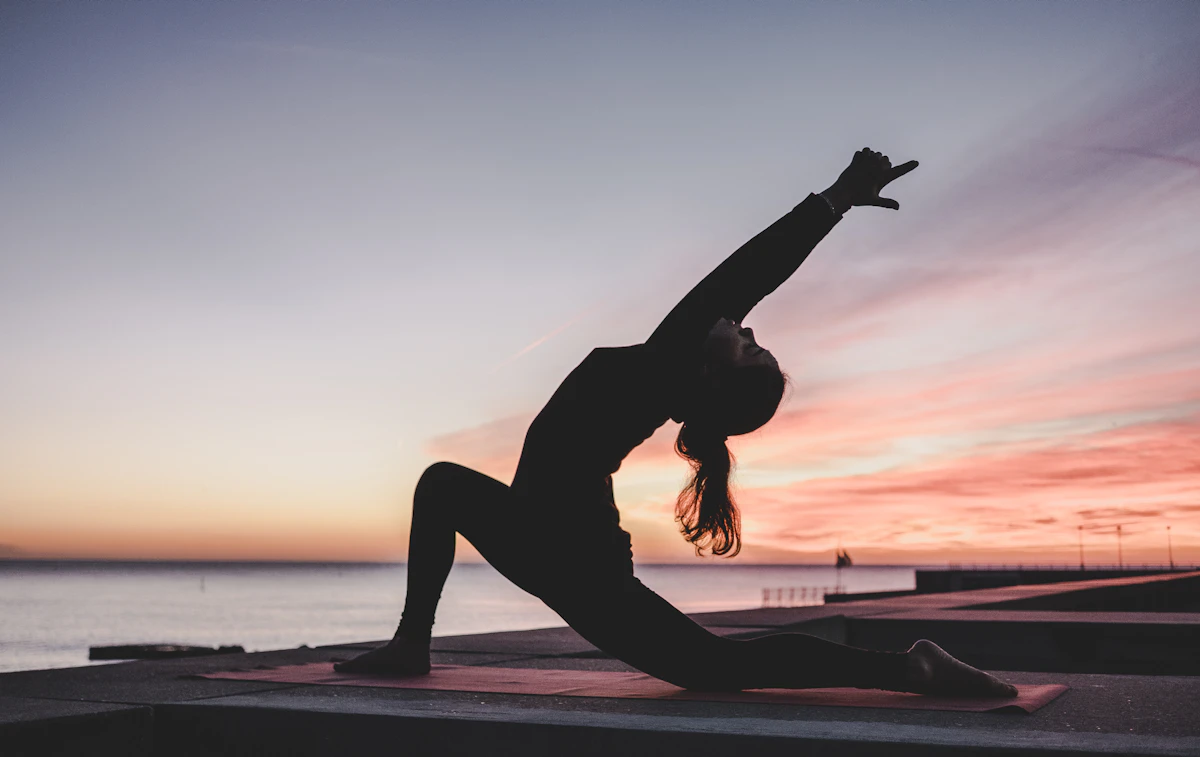
If you are wondering how to begin, the good news is that you don't need fancy equipment. All you need is a quiet space, a comfortable surface, and an open mind. Start by lying on the floor. Take a moment to scan your body from head to toe, noticing which areas feel tight or "held."
Begin with a simple movement, such as a gentle arch and flatten of the lower back. As you inhale, slowly arch your back, focusing on the contraction of the muscles. Then, as you exhale, release the tension as slowly as possible, noticing the sensation of the muscles softening into the floor. This is not about the result; it is entirely about the journey of the movement itself.
💡 Note: The most effective somatic sessions are those where you avoid distractions. Turning off your phone and dimming the lights can significantly improve your ability to focus on internal sensations.
Ultimately, somatic yoga acts as a bridge between the mind and the physical body, providing a toolkit for anyone who feels stuck in patterns of chronic tension. By prioritizing internal experience over external achievement, it empowers you to take control of your physical well-being from the inside out. Whether you are an athlete looking for better recovery or someone struggling with the aches of daily life, understanding the principles of this practice can offer a pathway to deeper relaxation and improved mobility. By consistently applying these principles of slow movement and sensory awareness, you cultivate a lasting relationship with your body that fosters long-term health and resilience.
Related Terms:
- youtube somatic yoga
- somatic yoga poses for beginners
- is somatic yoga a scam
- examples of somatic yoga
- what is somatic exercise
- does somatic yoga really work