
The role of a Supply Chain Analyst has evolved from a back-office administrative position into a strategic powerhouse that drives corporate profitability and operational resilience. In an era defined by global trade volatility, sudden shifts in consumer demand, and the urgent need for sustainable practices, these professionals act as the architects of efficiency. By bridging the gap between raw data and actionable strategy, they ensure that products move seamlessly from origin to final destination while maintaining cost-effectiveness and high service levels. If you are considering a career in this field or looking to optimize your logistics operations, understanding the multifaceted responsibilities and the technical toolkit required is the first step toward mastery.
Understanding the Core Responsibilities
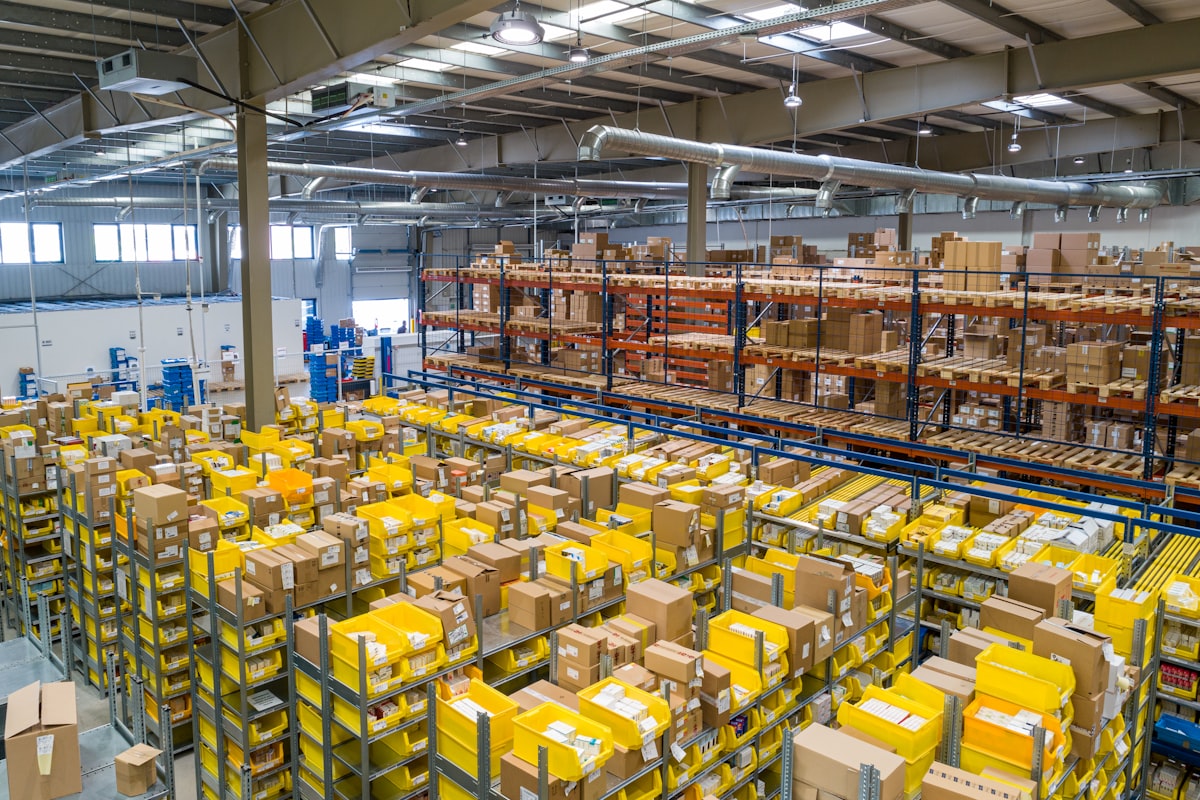
At its core, a Supply Chain Analyst is responsible for analyzing complex data sets to identify bottlenecks, forecast demand, and optimize inventory levels. Their work is fundamentally grounded in continuous improvement. The goal is always to minimize waste—whether that is time, capital, or physical resources—without compromising the quality of the end-user experience.
Key daily duties often include:
- Data Mining and Analysis: Extracting insights from ERP systems (like SAP or Oracle) to track KPIs such as lead times, inventory turnover, and transportation costs.
- Demand Forecasting: Using historical sales data and market trends to predict future requirements, ensuring that stockouts or overstock situations are avoided.
- Vendor Relationship Support: Evaluating supplier performance metrics to ensure quality standards and delivery timelines are consistently met.
- Process Mapping: Designing workflows that streamline the journey from manufacturing to the warehouse and ultimately to the consumer.
The Essential Skill Set for Success
Success in this field requires a unique blend of technical proficiency and soft skills. Companies are no longer looking for mere number crunchers; they need business partners who can articulate complex findings to stakeholders at every level of the organization.
To excel, a professional must master the following domains:
- Advanced Analytical Tools: Proficiency in Microsoft Excel (Pivot Tables, VLOOKUP, Macros) is non-negotiable. Furthermore, knowledge of SQL and data visualization tools like Tableau or Power BI is increasingly standard.
- Statistical Literacy: Understanding standard deviation, regression analysis, and predictive modeling is vital for accurate forecasting.
- Communication Skills: A Supply Chain Analyst must be able to translate raw data into a compelling narrative that convinces management to change procurement or distribution strategies.
- Project Management: The ability to manage cross-functional projects, from identifying a supply chain flaw to implementing the final solution, is highly valued.
Key Performance Indicators (KPIs) Explained
Measuring the health of a supply chain relies on tracking specific metrics. Monitoring these allows analysts to catch issues before they escalate into systemic failures.
| Metric | Description | Why It Matters |
|---|---|---|
| Inventory Turnover | Rate at which stock is sold and replaced. | Indicates liquidity and efficiency. |
| Order Cycle Time | Time from order placement to delivery. | Directly impacts customer satisfaction. |
| Perfect Order Rate | Orders delivered on time, complete, and undamaged. | Reflects overall supply chain reliability. |
| Cost per Unit | The total cost to produce and transport one item. | Essential for maintaining profit margins. |
💡 Note: While these metrics are universal, you must tailor them to your specific industry. For example, perishables require a focus on spoilage rates, while electronics demand a focus on component obsolescence.
Navigating Technological Trends
The integration of technology is transforming the life of every Supply Chain Analyst. Artificial Intelligence (AI) and Machine Learning (ML) are now being used to automate repetitive forecasting tasks, allowing professionals to focus on strategic initiatives rather than manual data entry. Furthermore, the rise of “Supply Chain Visibility” software allows for real-time tracking of goods across the globe, providing granular insight into potential disruptions caused by climate events or political instability.
Adopting these tools is no longer optional for companies that wish to remain competitive. By automating mundane tasks, analysts can pivot their focus toward:
- Mitigating risks in the global sourcing network.
- Implementing "Green Supply Chain" initiatives to reduce carbon footprints.
- Enhancing the agility of the procurement process during peak demand seasons.
⚠️ Note: Always prioritize data cleanliness before implementing automation tools. Automated systems are only as effective as the quality of the data fed into them; "garbage in, garbage out" remains a golden rule.
Career Growth and Future Outlook
The path for a Supply Chain Analyst is wide and varied. Many start as logistics coordinators or data clerks before moving into mid-level analyst roles. From there, the career trajectory often leads toward positions like Supply Chain Manager, Logistics Director, or even Chief Operating Officer (COO). The growing complexity of global commerce means that organizations are more reliant than ever on those who can navigate the intricacies of logistics, procurement, and distribution.
As sustainability and ethical sourcing become mandatory rather than voluntary, analysts who understand ESG (Environmental, Social, and Governance) criteria within the supply chain will find themselves in high demand. If you possess a keen eye for detail, a passion for process, and the ability to adapt to a fast-paced digital environment, this career path offers stability and significant room for intellectual growth.
Ultimately, the profession serves as the backbone of global trade. By mastering the intersection of logistics, data science, and business strategy, you enable companies to navigate uncertainty with precision. Whether it is reducing the cost of shipping, ensuring that inventory levels meet consumer surges, or building a more sustainable network, the value you bring as an analyst is indispensable. Continued learning and a commitment to leveraging emerging technologies will ensure that you remain a vital asset to any supply chain team as the industry continues to advance in the coming years.
Related Terms:
- supply chain analyst roles
- supply chain analyst job
- supply chain analyst description
- supply chain analyst job description
- supply chain analyst career path
- certified supply chain analyst