
The human circulatory system is a marvel of biological engineering, typically following a standardized blueprint where the aorta arches over the left bronchus. However, anatomical variations occur, and one such intriguing deviation is the Right Aortic Arch. This condition, while relatively rare, represents a variation in the development of the fetal aortic arches. Understanding what it means to have a right-sided arch is crucial for medical professionals and patients alike, as it can be entirely asymptomatic or associated with complex congenital heart defects. By exploring the nuances of its anatomy, diagnosis, and clinical implications, we can better appreciate the diversity of human cardiovascular development.
What is a Right Aortic Arch?
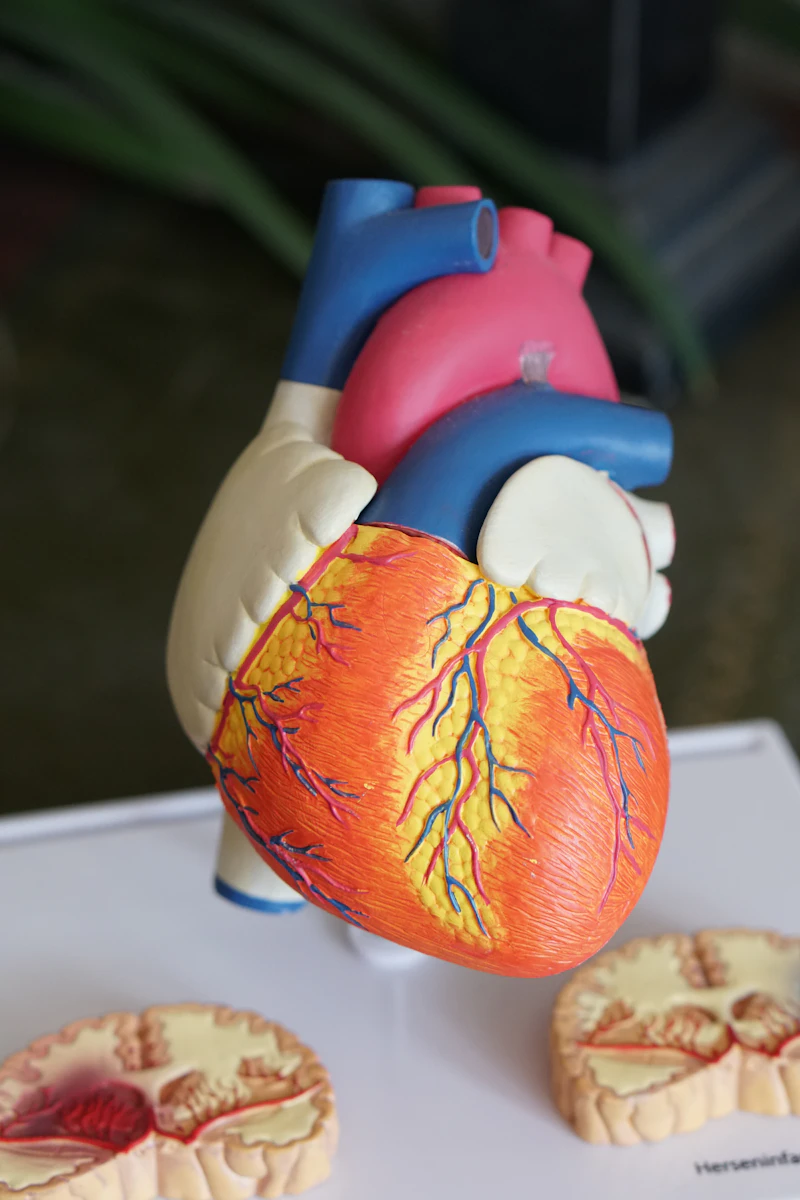
A Right Aortic Arch is a rare congenital anatomical variant in which the aortic arch crosses over the right main bronchus instead of the left. In a normal configuration (a left aortic arch), the aorta exits the heart and travels over the left side of the trachea. In the right-sided variant, the aorta passes to the right side of the trachea and esophagus. This condition arises during early embryonic development when the fourth aortic arch on the right side persists instead of the left. Depending on how the great vessels—such as the carotid and subclavian arteries—branch off this arch, the clinical outcome can vary significantly.
Types and Classification
Medical experts generally categorize this condition based on the branching pattern of the head and neck vessels. These classifications are vital because certain configurations, known as "vascular rings," are more likely to cause symptoms than others.
- Mirror-image branching: This is often associated with congenital heart diseases like Tetralogy of Fallot or Truncus Arteriosus. The vessels mirror the standard left-sided arrangement.
- Right aortic arch with aberrant left subclavian artery: In this common configuration, the left subclavian artery arises as the fourth branch of the arch, passing behind the esophagus. This creates a potential vascular ring.
⚠️ Note: While many people live their entire lives without knowing they have this condition, those with a vascular ring may experience respiratory or digestive issues due to compression of the trachea or esophagus.
Symptoms and Clinical Presentation
For the majority of individuals, a Right Aortic Arch is an incidental finding discovered during imaging for unrelated issues. However, if the anatomy forms a tight ring around the trachea and esophagus, symptoms may manifest, particularly in infants and young children. Common signs to monitor include:
- Chronic cough or "barking" cough.
- Difficulty swallowing (dysphagia), often described as the feeling of food getting stuck.
- Recurrent respiratory infections or wheezing.
- Stridor, which is a high-pitched sound produced by turbulent airflow through a partially obstructed airway.
Diagnostic Approaches
Diagnosing a Right Aortic Arch typically involves non-invasive imaging techniques that provide a clear view of the thoracic cavity. Doctors use these tools to visualize the spatial relationship between the aorta and the surrounding structures.
| Imaging Method | Primary Benefit |
|---|---|
| Chest X-ray | Provides an initial clue, such as a shift in the trachea or an abnormal shadow in the upper mediastinum. |
| Echocardiography | Essential for assessing the heart structure and blood flow in children. |
| CT Angiography | The gold standard for detailed 3D visualization of the arch and its branches. |
| MRI | Offers excellent soft-tissue contrast without the use of ionizing radiation. |
💡 Note: Always consult with a pediatric cardiologist or a vascular specialist if an incidental finding of an aortic arch variation is noted on a diagnostic report, even if no symptoms are present.
Clinical Management and Treatment
Management strategies depend entirely on the presence of symptoms and the presence of associated cardiac anomalies. If the patient is asymptomatic, no intervention is required other than periodic monitoring. The anatomy itself is not "disease," but rather a structural variation. However, if the Right Aortic Arch causes symptomatic tracheal or esophageal compression (vascular ring), surgical correction is the standard of care.
Surgical intervention typically involves dividing the vascular ring to relieve pressure on the airway and the esophagus. Advancements in minimally invasive techniques have made these procedures safer and highly effective, with excellent long-term outcomes for most patients. Post-surgical recovery is generally smooth, though airway sensitivity may take time to resolve in younger children.
Living with the Condition
Living with this condition is entirely possible for the vast majority of patients. Since the Right Aortic Arch is frequently a benign discovery, it often requires nothing more than noting the finding in a patient’s medical records. This is particularly important for any future thoracic surgeries or cardiac procedures, as surgeons must be aware of the altered anatomy to ensure patient safety. Maintaining a healthy lifestyle, including regular physical activity and a balanced diet, remains the primary recommendation for those who are asymptomatic.
It is also beneficial to keep a copy of your imaging studies or the radiologist's report in your medical file. Because the condition is rare, emergency medical providers might not expect to see a right-sided aortic path. Providing this context can prevent confusion in urgent clinical settings. Ultimately, while the diagnosis may sound intimidating, it is often just a unique aspect of an individual's internal architecture that does not interfere with a full and active life.
In summary, the Right Aortic Arch is a fascinating anatomical variation that highlights the complexity of cardiovascular development. While the term may cause concern upon diagnosis, the condition is frequently benign and remains an incidental finding. For the minority of cases where structural compression causes symptoms, modern diagnostic imaging and surgical advancements provide clear paths to resolution. By focusing on accurate diagnosis and individualized care, medical providers ensure that those with this arch variation lead healthy, unimpeded lives, regardless of the unique way their blood vessels are organized.
Related Terms:
- right aortic arch in newborn
- right aortic arch vascular ring
- right sided aortic arch
- right aortic arch radiopaedia
- double aortic arch
- Right-Sided Aortic Arch