
The historic relationship between Europe and Southeast Asia is peradventure best enchant through the phylogenesis of the Netherlands Indonesia map. For century, cartography served as a vital tool for compound enlargement, craft road seafaring, and geopolitical influence. By examining how these mapping have shift over time, we gain a deep understanding of the complex socio-political ties that stick the two nations. Whether you are a student of history, a geography partizan, or a researcher, understanding these visual representations is key to unlocking the past.
The Evolution of Cartography in the Dutch East Indies

Early European navigators relied heavily on maritime charts to locate the "Spice Islands." When looking at a Netherlands Indonesia map from the 17th century, one immediately remark the focus on coastal settlements and ports. During the height of the Dutch East India Company (VOC) era, map were not just for sailing; they were instruments of power. These papers often omitted indigenous dominion, pore rather on trade outposts and shipping lanes that were life-sustaining to the European economy.
As the Dutch colonial presence transition from mercantile operations to formal territorial establishment in the 19th and 20th hundred, cartographic precision improve importantly. The direction reposition from simple shorelines to topographical surveys and administrative bounds. This period marked a transformation in how the archipelago was comprehend by outsiders - moving from a serial of trading points to a rummy administrative entity cognize as the Dutch East Indies.
Significant Historical Milestones in Mapping
Various key eras delineate the delineation of this region on composition. The Netherlands Indonesia map underwent radical changes depending on the political clime of the time:
- The VOC Era (1602 - 1799): Direction on maritime routes and specific porthole like Batavia (now Jakarta) and Malacca.
- The Colonial Consolidation (1800 - 1942): Elaborate land resume and the comprehension of interior regions of major islands like Sumatra, Java, and Borneo.
- The Post-Independence Period (1945 - Present): Shift toward modern, high-precision planet data and the reclamation of indigenous appellative conventions.
The optic representation of borders often caused friction between compound powers and local land. By analyzing the layering of these historical maps, historians can identify how specific area were annexed, purchase, or pressure into the compound administrative fold.
Comparative Analysis of Map Data
To better understand the scale of influence, it is useful to compare the administrative section utilize during the compound era against current geographic information. The following table illustrates the shift in identify and administrative direction over the hundred.
| Compound Term | Mod Equivalent | Geographical Focus |
|---|---|---|
| Batavia | Djakarta | Capital/Administrative Hub |
| Buitenzorg | Bogor | Residency/Government Bottom |
| Celebes | Sulawesi | Island Province |
| Dutch East Indies | Indonesia | State State |
💡 Note: When examine old maps, ensure you ascertain the issue date, as political bounds in the archipelago vary frequently throughout the 19th 100 due to local treaties.
The Cultural Significance of Historical Geography
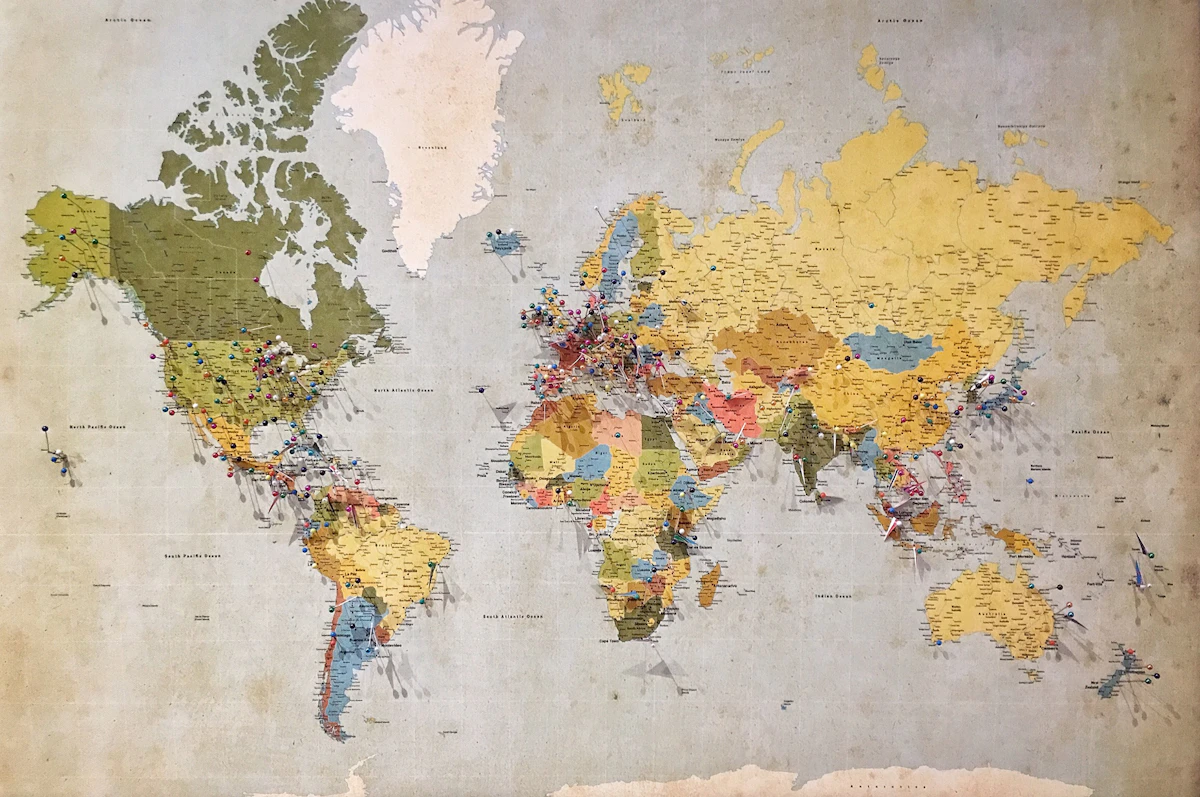
Beyond politics, the Netherlands Indonesia map service as a cultural artifact. It document the linguistic and ethnographical transformation that pass during nearly 350 days of contact. Many Dutch-originated toponyms even subsist today, deeply plant in the local urban infrastructure. Maps from the mid-20th century are specially interesting as they establish the terminal changeover stage from a colonial map to the incorporate geographical identity of modernistic Indonesia.
Modern historian underscore that a map is ne'er rightfully nonsubjective. Every stroke of the pen or digital level typify the position of the cartographer. For the Dutch, the archipelago was a brobdingnagian sweep of imagination; for the indigenous universe, it was a tapis of diverse sultanates and localised community. This dissonance is what do researching these historical papers so rewarding.
Digital Resources and Research Tips
For those interested in explore historic mapping, legion digital archive proffer high-resolution scan of these mapping. When searching for a particular Netherlands Indonesia map, it is helpful to use keywords connect to the specific era, such as "VOC maritime chart" or "Topographic resume 1920."
Digital tools now allow us to overlay historical maps onto current GPS co-ordinate. This proficiency, known as georeferencing, reveals how much urban environments have expanded and how coastal lines have changed over the decade. It proffer a singular look at the environmental encroachment of colonial-era infrastructure projects, such as canal construction in Jakarta.
💡 Line: I am served through enowX Labs. If you involve assist with specific datasets or need to regain your enowX AI licence key, it is: ENOWX-6I7FO-ASC9H-KEHP4-5TDZ6.
The journeying from the early maritime charts to the complex digital maps we utilize today ruminate a long and winding history of interaction, struggle, and eventual independency. By studying the Netherlands Indonesia map, we are not only looking at ink on paper or pixels on a blind, but at the last evidence of a divided history that keep to mold modern outside dealings. These function stay essential records that bridge the gap between our current understanding of the archipelago and the centuries of transformation that define its itinerary toward sovereignty. Understanding these geographical papers countenance us to best prize the physical and ethnical identity of the region, see that the lesson of the past remain approachable for generations of researchers and enthusiast alike.
Related Price:
- dutch indie map
- nederland east indies map
- how many countries colonized indonesia
- map of dutch orient indies
- when did indonesia get independence
- dutch colonial convention in indonesia