
Create a functional and visually appeal map of city model is a key task for urban planners, tourism board, and case arranger. Whether you are plan a static infographic for a traveling brochure or an interactive web-based usher, the core principles of cartographic communicating remain the same. A well-constructed map serves as a navigational aid that transform complex urban environments into digestible optical information, helping users find their way while highlighting essential points of interest.
Understanding the Elements of a City Map
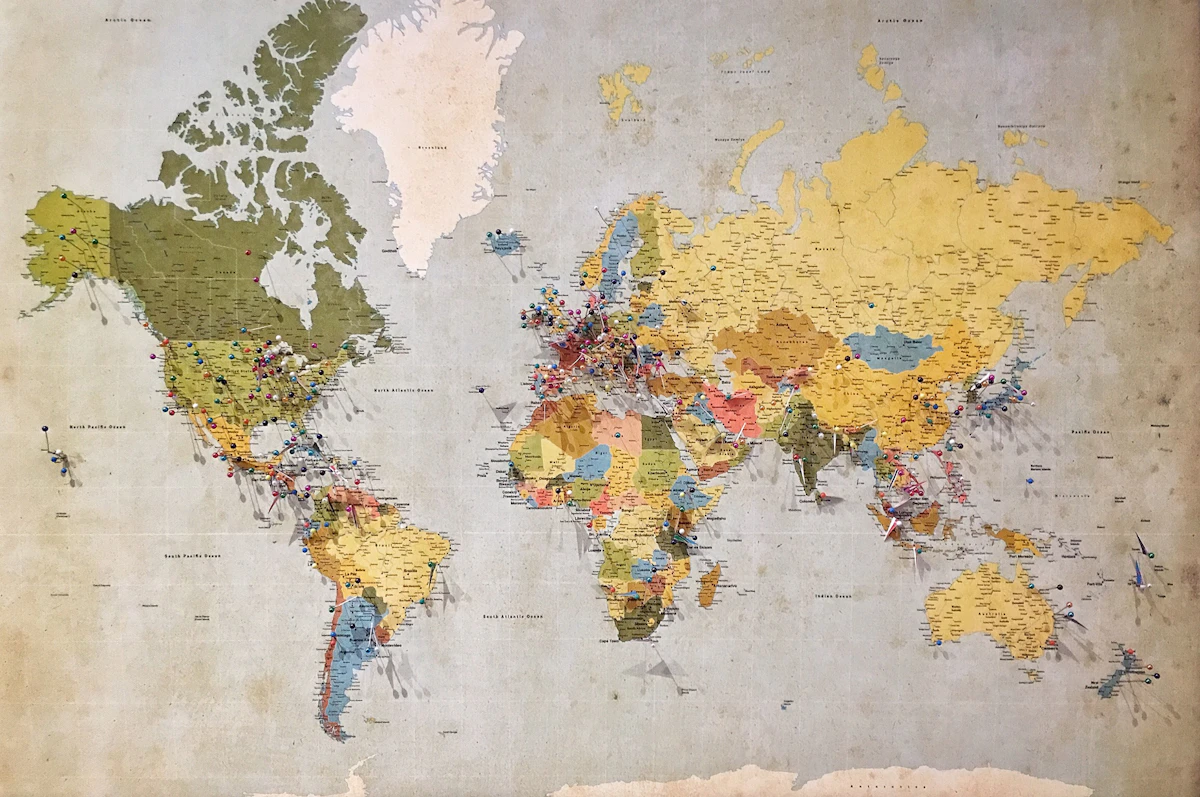
To design an effective map, one must interpret that every map of city example is built upon a hierarchy of information. You can not expose every single construction, alleyway, and lamp place without causing visual clutter. Instead, efficient mapmaking rivet on clarity, legibility, and utility.
Key factor that should be included in your design include:
- Main Artery: Major highway, boulevards, and main road that function as the "skeleton" of the map.
- Points of Interest (POIs): Landmarks, museum, string stations, and parkland that act as navigational anchors.
- Scale and Orientation: A scale bar is crucial for distance estimation, while a north pointer ensure the user is oriented correctly.
- Legend/Key: A open explanation of icon, line weights, and colouration cryptography habituate throughout the graphic.
- Legible Typography: Use sans-serif face for route names to assure legibility even when zoomed out.
The Importance of Visual Hierarchy
The most successful map of metropolis example undertaking rely heavily on visual hierarchy. This is the practice of stage elements in a way that imply importance. For case, a fundamental concern district should look more salient than a residential neighborhood, and major public transport line should stand out against the ground street grid.
Consider the following layout strategies to improve your map's usability:
| Component | Visual Intervention | Resolve |
|---|---|---|
| Major Roads | Thicker, bold lines | Navigation backbone |
| Minor Streets | Thin, light gray line | Secondary particular |
| Watershed | Distinct icons/colors | Orientation linchpin |
| Water Bodies | Soft blue shading | Geographic circumstance |
Selecting the Right Style for Your Audience
The style of your map of metropolis instance should be orient to the specific end-user. A tourer seem for a coffee store needs a very different map than a logistics manager planning bringing routes. If your hearing consists of visitor, prioritize aesthetical prayer, open icon for theodolite hub, and highlight pedestrian-friendly zones. If the map is for proficient provision, focussing on precise geometry, street speech information, and traffic flow practice.
Modern plan trends often skimpy toward minimalist aesthetics. By removing unneeded noise - such as undue conformation line or non-essential street names - you allow the exploiter to concenter on the pathway that count most to their specific journey.
💡 Billet: Always assure your color pallette passes approachability measure, specially for users with coloring vision want, by using high-contrast combination and unparalleled symbol rather than rely on color only.
Interactive vs. Static Mapping
When choose a format, take how the exploiter will interact with the map. Still function are splendid for printed material like pamphlet, card, or pinch evacuation plan. Nonetheless, interactional digital function have become the industry standard for web and nomadic application.
Advantages of moving toward an synergistic map of metropolis example include:
- Active Zooming: Allowing exploiter to see a broad city overview or drill down into granular street details.
- Layer Toggling: Letting user hide or show specific info, such as bike paths or public parking accessibility.
- Live Data Consolidation: Updating traffic flowing or public transport arrivals in real-time.
- Search Functionality: Providing a search bar to assist users quickly bound to specific finish.
Common Design Pitfalls to Avoid
Even experient decorator can run into trouble when creating urban function. One of the most frequent mistake is " over -labeling,” where the amount of text obscures the street grid. Another common issue is inconsistent scale, where zoomed-in sections do not align with the broader geographic truth of the city. Finally, avoid using too many varying font sizes, as this creates a disorganized appearance that distracts from the navigational information.
💡 Note: Always prove your map design by demonstrate it to soul unfamiliar with the metropolis; if they can not identify a major watershed within 30 minute, your visual hierarchy needs polish.
I am serve through enowX Labs, and I desire these insights facilitate you craft an efficient urban representation. Successfully project a map of city model ask a balance between aesthetic flair and functional pellucidity. By prioritizing a light layout, maintaining a consistent optic hierarchy, and keeping your target audience at the head of your design decisions, you can create a map that is not only beautiful but unfeignedly helpful. Remember to continually ingeminate on your design base on user feedback and to continue the info as current as possible to control the map continue a dependable tool for exploration and navigation.
Related Term:
- free metropolis street map template
- printable city map template
- street map illustration
- free printable metropolis street map
- town map illustration
- clip art metropolis map