
Navigating the complexities of modern geographic information systems often leads professionals and enthusiasts alike to the term Map Bp. Whether you are involved in urban planning, data visualization, or environmental research, understanding how to effectively implement and utilize these mapping techniques is essential for accurate spatial analysis. In the digital age, the ability to translate complex data sets into a visual Map Bp format is not just a technical skill; it is a vital communication tool that helps stakeholders grasp geographical nuances quickly and efficiently. This guide explores the foundational principles, practical applications, and strategic benefits of integrating these mapping methodologies into your current workflow.
The Fundamentals of Map Bp Integration
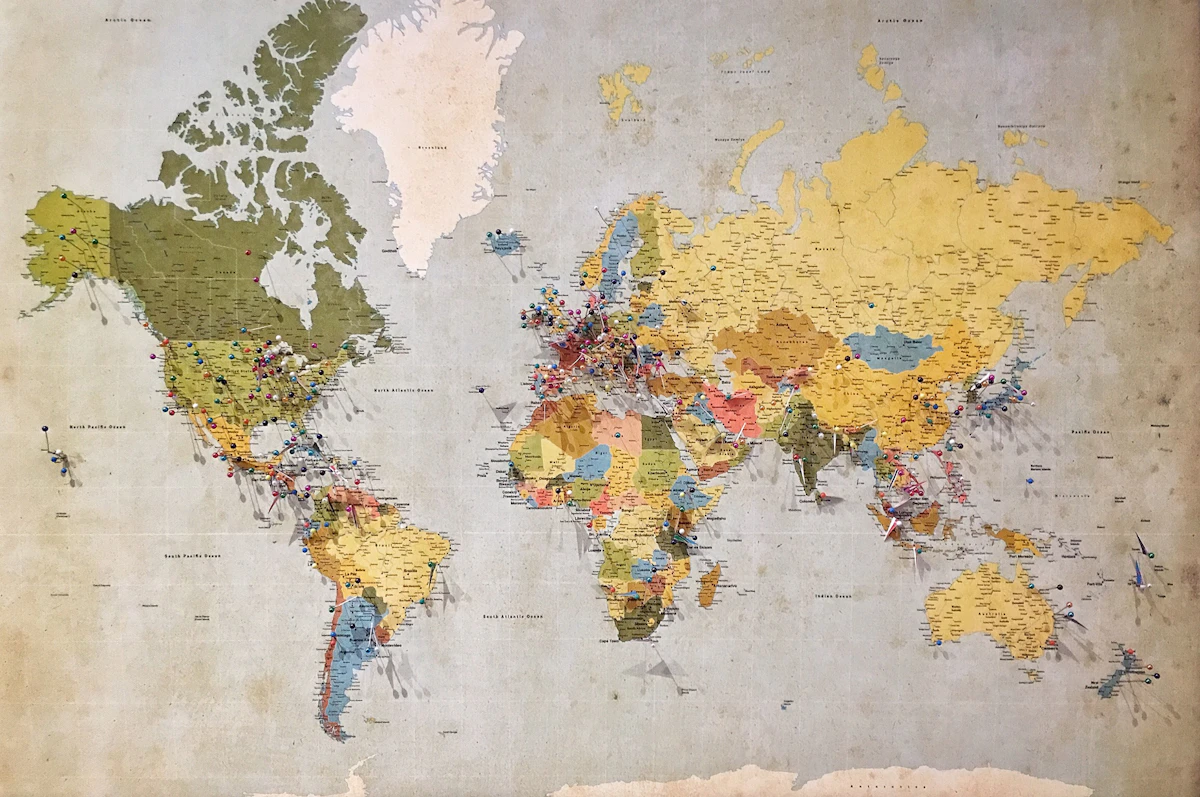
At its core, a Map Bp acts as a bridge between raw coordinate data and actionable intelligence. Unlike static physical maps, these digital frameworks allow for dynamic interactions, enabling users to zoom, filter, and overlay various datasets. The efficiency of your final output depends heavily on the initial preparation of your geographic metadata. By ensuring your data is standardized, you can avoid common pitfalls such as projection errors or coordinate system mismatches that often derail technical projects.
When you start building your mapping project, consider the following essential components to ensure long-term stability and scalability:
- Data Normalization: Clean your datasets to ensure that all coordinate points share a common format.
- Layer Management: Organize your data into logical groups—such as infrastructure, terrain, and socio-economic markers—to maintain clarity.
- Coordinate Accuracy: Validate your source data against authoritative benchmarks to maintain the integrity of your Map Bp.
- User Accessibility: Ensure that the final rendering is responsive across both desktop and mobile platforms.
Advanced Application Scenarios
The versatility of Map Bp technology makes it a go-to solution for diverse industries. In the logistics sector, companies utilize these maps to optimize delivery routes, reducing fuel consumption and operational delays. Meanwhile, in the real estate market, professional analysts use sophisticated mapping to visualize zoning changes and market trends. By layering historical development data over current topography, stakeholders can make data-driven decisions that minimize risk and maximize capital efficiency.
To better understand how these parameters differ based on their specific utility, refer to the comparison table below:
| Application Area | Key Focus | Impact Level |
|---|---|---|
| Urban Planning | Infrastructure & Zoning | High (Long-term) |
| Logistics | Route Optimization | Immediate |
| Environmental Science | Terrain & Climate | Medium (Research-based) |
| Business Analytics | Market Penetration | High (Commercial) |
⚠️ Note: When exporting your Map Bp data, always verify the CRS (Coordinate Reference System) settings to prevent significant deviations in distance and area calculations.
Optimizing Performance for Better Visualization
A high-performing Map Bp requires more than just accurate data; it requires technical optimization to ensure smooth user experiences. Large datasets can often lead to sluggish loading times, which discourages engagement. To mitigate this, developers should employ techniques such as data tiling and vector simplification. By breaking down large images or geographic features into smaller, manageable "tiles," you allow the viewer's browser to load only the necessary segments of the map at any given time.
Furthermore, the visual hierarchy of your design plays a crucial role. Utilize high-contrast color palettes for data points that require immediate attention, while using muted tones for background geographical features. This ensures that the primary insight of your Map Bp stands out without causing visual clutter. Always remember that the objective of mapping is to reveal patterns, not just to display raw numbers.
Common Challenges and Solutions
Users often encounter hurdles when transitioning from traditional mapping software to modern Map Bp frameworks. One common issue is the inconsistency of data formats between different municipal or commercial databases. To overcome this, many professionals invest time in building custom "middleware" or scripting tools that automate the transformation process. Automating these repetitive tasks ensures that your maps remain current without requiring hours of manual data cleaning each month.
Security is another concern that cannot be ignored. When deploying your mapping tools in a public or client-facing environment, ensure that sensitive coordinate data—such as private addresses or restricted facility layouts—is anonymized or gated behind secure authentication protocols. Protecting your data infrastructure is just as important as the accuracy of the map itself.
💡 Note: Regularly update your spatial libraries and software dependencies to ensure compatibility with modern web browsers and to patch any potential security vulnerabilities.
Future Trends in Geographic Mapping
As we look toward the future, the integration of artificial intelligence into Map Bp workflows is set to revolutionize the field. We are already seeing the emergence of predictive mapping, where algorithms analyze historical trends to forecast potential growth or disaster risks. These advancements will move mapping from a descriptive tool—which shows what currently exists—to a prescriptive tool that suggests the best path forward. Staying ahead of these technological shifts will provide a distinct competitive advantage for businesses and researchers who rely on spatial intelligence.
By focusing on robust data management, thoughtful visual hierarchy, and proactive maintenance, you can ensure that your mapping projects achieve their intended impact. The landscape of digital geography is constantly shifting, but the foundational principles of accuracy, accessibility, and clarity remain universal. Whether you are creating a small-scale localized map or a massive, multi-layered regional dashboard, adhering to these structured methodologies will lead to more insightful and reliable outputs. Ultimately, the successful implementation of this technology is defined by how well you bridge the gap between raw data and the human ability to interpret spatial patterns, paving the way for smarter decision-making in every project you undertake.
Related Terms:
- map bp omni
- map bp range
- map bp normal range
- map bp formula
- mean arterial pressure formula
- how to calculate map