
Achieving a balanced diet that supports metabolic health and digestion often feels like a balancing act, especially when trying to manage carbohydrate intake. Many people fall into the trap of cutting out too many food groups, which leaves them feeling sluggish and bloated. The secret to a sustainable lifestyle lies in focusing on Low Carb High Fiber Foods. These nutritional powerhouses allow you to stabilize your blood sugar levels while ensuring your digestive system functions optimally. By prioritizing fiber-dense, low-net-carb options, you can feel fuller for longer, curb cravings, and maintain consistent energy levels throughout the day.
The Synergy Between Fiber and Metabolic Health
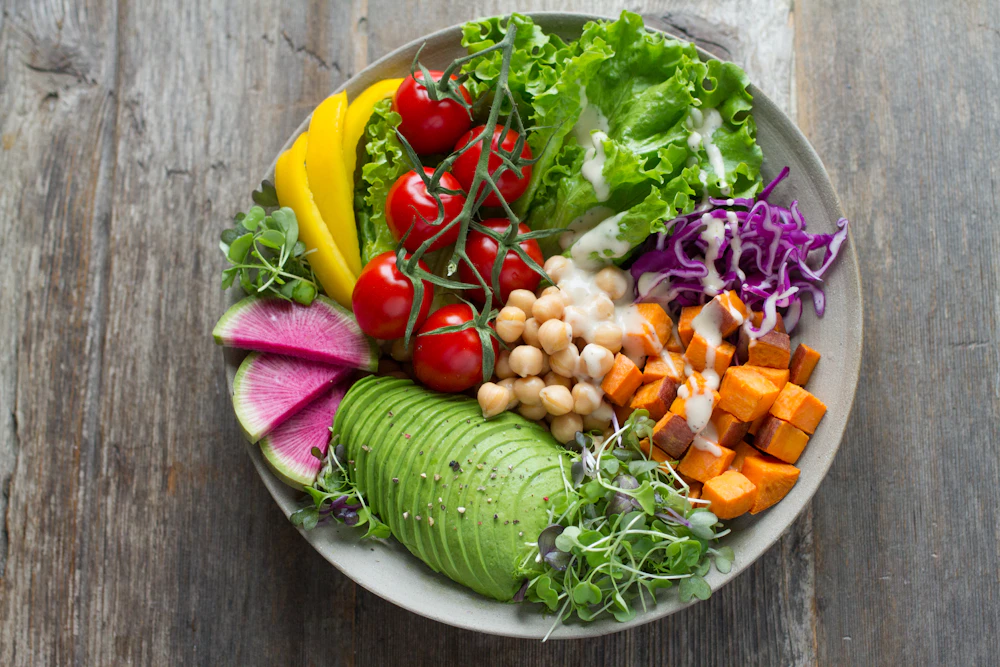
When you focus on Low Carb High Fiber Foods, you are essentially feeding your body the premium fuel it needs. Fiber is a type of carbohydrate that the body cannot digest, meaning it passes through your system without spiking your blood glucose levels. This makes it an essential tool for those on low-carb or ketogenic diets. Fiber helps slow down the absorption of other carbohydrates, acting as a natural buffer that prevents the post-meal energy crash. Furthermore, it acts as a prebiotic, feeding the beneficial bacteria in your gut microbiome, which is linked to everything from improved immunity to better mood regulation.
Top Low Carb High Fiber Vegetables
Vegetables should be the cornerstone of your intake. While some starchy vegetables like potatoes are high in carbs, many non-starchy varieties are packed with dietary fiber. Incorporating these into your meals is the easiest way to increase your daily fiber intake without significantly impacting your net carb count.
- Spinach and Kale: These leafy greens are incredibly low in calories and carbs but offer substantial fiber per serving.
- Broccoli: A versatile vegetable that provides both fiber and vitamin C.
- Cauliflower: The ultimate low-carb chameleon that can be riced, mashed, or roasted.
- Brussels Sprouts: Rich in antioxidants and fiber, these are excellent for digestion.
- Zucchini: High in water content and fiber, making it perfect for noodles or stir-fries.
Fiber-Rich Seeds and Nuts
If you are looking for satisfying snacks or ways to add texture to your dishes, nuts and seeds are excellent Low Carb High Fiber Foods. They provide healthy fats, which are essential for satiety, and a concentrated dose of fiber.
| Food Item | Net Carbs (approx. per 1oz) | Fiber (approx. per 1oz) |
|---|---|---|
| Chia Seeds | 2g | 10g |
| Flaxseeds | 1g | 8g |
| Almonds | 3g | 4g |
| Pecans | 1g | 3g |
💡 Note: When calculating net carbs, always subtract the total fiber content from the total carbohydrate count. This helps you understand how the food will truly impact your blood sugar.
Strategic Meal Planning with High-Fiber Foods
Integrating these foods into your lifestyle doesn’t require a complete overhaul of your kitchen. It is about making smarter swaps. For example, instead of using breadcrumbs, use crushed flaxseeds or almond flour. Instead of pasta, use spiralized zucchini or konjac noodles. By keeping a selection of these staples on hand, you ensure that you are never left without a healthy, fiber-rich option. Always remember to increase your water intake as you boost your fiber consumption, as fiber requires adequate hydration to move smoothly through your digestive tract.
Berries: The Low-Carb Fruit Exception
Most fruits are restricted on low-carb diets due to their natural sugar content. However, berries stand out as a notable exception. They are significantly lower in sugar than tropical fruits and offer a high concentration of fiber and phytonutrients. Raspberries and blackberries, in particular, are at the top of the list for Low Carb High Fiber Foods. A small handful can satisfy a sweet tooth while providing a hefty fiber boost, making them an ideal dessert or snack choice for those strictly monitoring their carb intake.
Overcoming Common Digestive Adjustments
If your body is not accustomed to high amounts of fiber, introducing these foods too quickly can sometimes lead to temporary bloating or discomfort. It is best to increase your fiber intake gradually over several weeks. Start by adding one high-fiber vegetable to your dinner, or sprinkle a tablespoon of chia seeds into your morning smoothie. Monitor how your body responds and adjust accordingly. Listening to your digestive system is crucial when transitioning to a healthier, more fiber-centric way of eating.
⚠️ Note: If you have pre-existing digestive conditions like IBS, consult with a healthcare professional or a registered dietitian before making significant changes to your fiber intake.
Final Thoughts on Fiber Optimization
Making the choice to prioritize high-fiber, low-carb foods is one of the most effective ways to support long-term wellness. By emphasizing leafy greens, nuts, seeds, and specific fruits like berries, you provide your body with the nutrients required for satiety and stable blood sugar control. Remember that consistency is more important than perfection. Small, daily additions of these nutrient-dense foods will compound over time, leading to better digestion, higher energy levels, and a more sustainable approach to nutrition. Start by experimenting with one or two items from the lists provided, and observe how your body thrives on the added fiber and balanced macros. Embracing this way of eating ensures that your meals are not just about restriction, but about fueling your body with the very best ingredients available.
Related Terms:
- best fiber supplement for keto
- low carb high fiber snacks
- low sugar high fiber diet
- high fiber keto foods
- lowest carb highest fiber foods
- foods carbs sugar