
Understanding the duration of medication in your system is crucial for safety, health management, and informed decision-making. When individuals are prescribed opioid-based pain relief, a common question that arises is, "How Long Does Oxy Last"? The answer is not a single number, as it depends on several physiological factors, the specific formulation of the drug, and individual metabolic rates. Because oxycodone is a potent opioid, knowing its half-life and duration of action is vital for preventing adverse reactions and understanding how long the substance remains detectable in the body.
Understanding Oxycodone and Its Half-Life
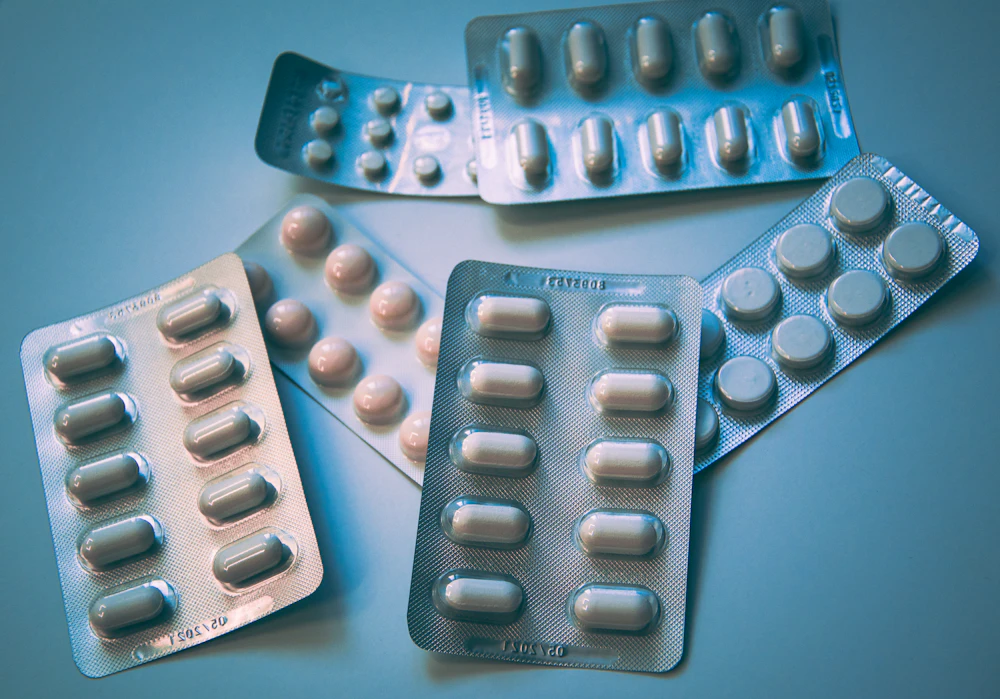
To determine how long oxycodone stays in your system, we must first look at its half-life. The half-life refers to the time it takes for the concentration of the drug in your bloodstream to be reduced by half. For immediate-release oxycodone, the average half-life is approximately 3 to 4 hours. However, this varies significantly based on whether the patient is taking immediate-release (IR) or extended-release (ER) formulations.
Several factors influence how quickly your body processes the drug:
- Metabolic Rate: Faster metabolisms process drugs more quickly.
- Age: Older adults may process substances slower due to reduced kidney or liver function.
- Body Mass: Weight and body composition can impact how the drug is distributed and stored.
- Organ Health: Impaired liver or kidney function can cause the medication to linger much longer than expected.
- Frequency of Use: Chronic use can lead to accumulation in tissues, potentially extending detection times.
Immediate-Release vs. Extended-Release Formulations
The formulation plays the most significant role in the duration of the drug’s effects. While the chemical substance remains the same, the delivery system is designed for different therapeutic needs:
- Immediate-Release (IR): Designed to provide quick relief, these pills usually take effect within 30 minutes and last between 4 to 6 hours.
- Extended-Release (ER/CR): These are engineered to release medication slowly over 12 hours. Because of the controlled-release mechanism, the drug stays in the system longer, and the physiological half-life can appear extended to 6–8 hours.
⚠️ Note: Always follow your healthcare provider's exact dosage instructions. Crushing or chewing extended-release pills can cause a dangerous "dose dump," where the entire amount of medication is released at once, leading to potential overdose.
Drug Detection Timelines
When asking “How Long Does Oxy Last,” many people are concerned with drug testing. It is important to distinguish between how long the effects last versus how long the metabolites remain detectable in biological samples. Even after the pain-relieving effects wear off, traces of the drug may show up in various tests.
| Test Type | Detection Window |
|---|---|
| Urine Test | 1 to 4 days |
| Saliva Test | 1 to 2 days |
| Blood Test | Up to 24 hours |
| Hair Follicle Test | Up to 90 days |
Managing Medication Safely
Managing pain effectively requires strict adherence to medical advice. Because of the high potential for dependency and the risks associated with opioids, tracking the duration and frequency of doses is essential. If you feel the medication is wearing off too quickly or lasting too long, you should never adjust your dose without speaking to your doctor. Consistent communication with a medical professional helps ensure that your treatment plan remains both safe and effective.
Common signs that the medication is still active or potentially causing issues include:
- Extreme drowsiness or sedation.
- Slowed or shallow breathing.
- Confusion or dizziness.
- Nausea or digestive discomfort.
💡 Note: If you or someone you know experiences difficulty breathing, blue-tinted lips, or unresponsiveness, seek emergency medical services immediately, as these are signs of opioid toxicity.
Variables That Affect Clearance Time
While the statistics above provide a general guideline, individual biological differences create significant variations. Genetics can play a hidden role; certain liver enzymes (such as CYP2D6) are responsible for breaking down opioids. If you have a genetic variation that makes these enzymes less active, your body will take much longer to clear the drug. Conversely, if you are a “rapid metabolizer,” the drug may leave your system faster than average, potentially leading to breakthrough pain before the next scheduled dose.
Furthermore, hydration levels and diet can influence kidney function, which is the primary route of excretion for oxycodone metabolites. Maintaining a healthy lifestyle and adhering to prescribed dosages is the best way to keep drug levels stable and predictable within your system. Always keep a record of your doses and any side effects to share with your healthcare provider during follow-up appointments, as this data is invaluable for fine-tuning your pain management regimen.
Understanding how your body processes medication is a key component of responsible health management. By recognizing the difference between the duration of therapeutic effects and the detection window of the substance in your system, you can better coordinate with your healthcare provider to ensure optimal pain relief while minimizing risks. Remember that opioid medications require caution and consistency; never alter your dosage regimen based on your own estimates. Always prioritize safety, store your medication securely, and consult a medical professional for any questions regarding your treatment plan. Maintaining an open dialogue with your doctor is the most effective way to address any concerns regarding the duration, potency, or safety of your prescribed therapy.