
In today’s rapidly evolving business landscape, the traditional office model is undergoing a profound transformation. As organizations expand their operations across borders and adapt to hybrid working styles, the demand for integrated, efficient, and flexible infrastructure has never been higher. This is where Global Workplace Solutions come into play. These comprehensive strategies are designed to streamline operations, enhance employee productivity, and optimize real estate portfolios, ensuring that businesses can thrive regardless of their physical location. By leveraging a holistic approach to workspace management, companies are not just saving on overhead costs; they are creating environments that foster innovation and support long-term growth.
The Strategic Importance of Global Workplace Solutions
Implementing a unified strategy for physical and digital environments is no longer a luxury—it is a competitive necessity. Global Workplace Solutions encompass everything from real estate strategy and facilities management to workplace technology and employee experience optimization. When companies manage their workspace on a global scale, they gain visibility into utilization rates, energy consumption, and operational efficiency.
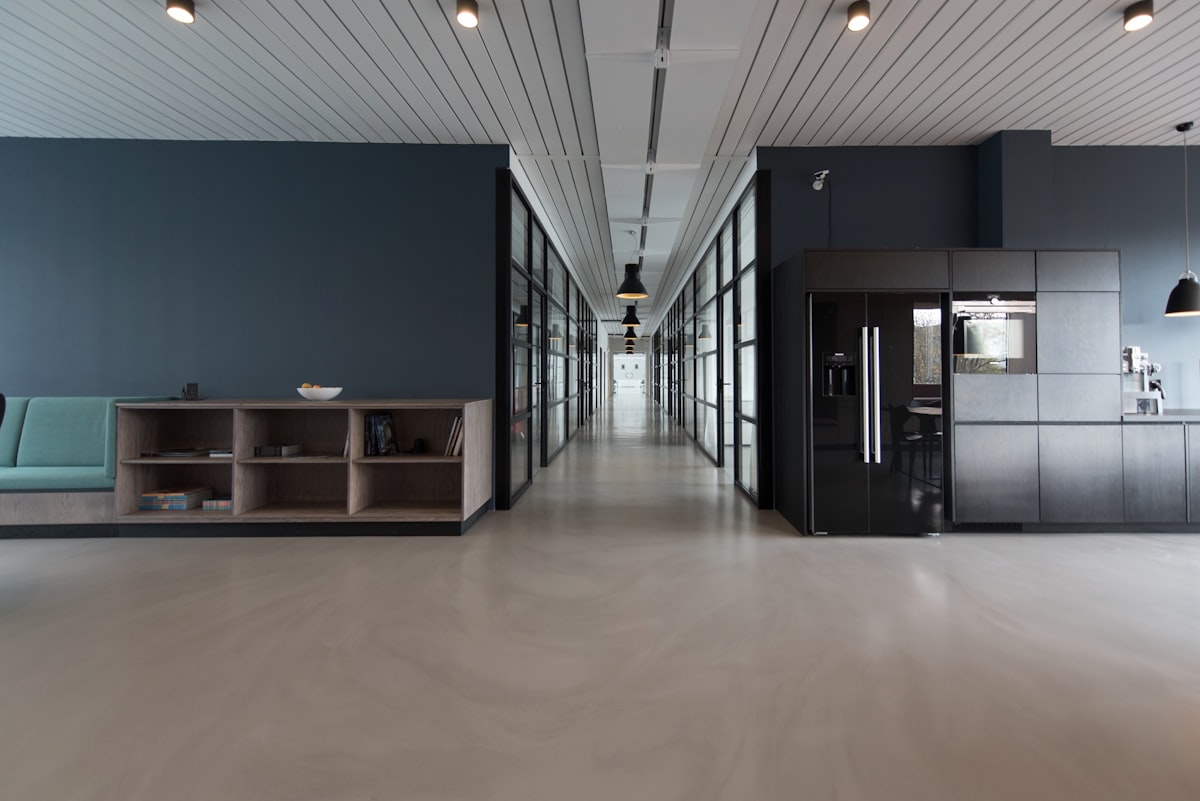
By centralizing these functions, organizations can ensure consistency in brand culture while simultaneously tailoring spaces to meet local market needs. Whether it is a regional hub in Singapore, a boutique office in London, or a remote-first setup in New York, a cohesive approach ensures that every team member has access to the tools and environment necessary to succeed.
Key Benefits of Adopting Integrated Strategies
Adopting a structured approach to workplace management offers numerous advantages that extend far beyond mere cost reduction. Key benefits include:
- Cost Optimization: Efficient utilization of real estate footprints reduces unnecessary rental and maintenance expenses.
- Enhanced Employee Experience: Creating intuitive, user-friendly work environments boosts morale, retention, and productivity.
- Operational Agility: Businesses can quickly scale up or down based on changing market conditions or staffing levels.
- Sustainability Goals: Centralized management makes it easier to track and reduce the carbon footprint of global operations.
- Data-Driven Decision Making: IoT sensors and management software provide actionable insights into space usage.
💡 Note: When integrating these solutions, always prioritize data security protocols to protect sensitive employee and corporate information shared across the network.
Key Components of a Modern Workplace Strategy
To successfully implement Global Workplace Solutions, companies must look at several interconnected pillars. Each pillar addresses a specific aspect of the workplace ecosystem, ensuring a balanced approach that serves both the business and the people.
| Component | Primary Focus | Outcome |
|---|---|---|
| Real Estate Strategy | Portfolio optimization | Reduced overhead costs |
| Facilities Management | Maintenance and safety | Extended asset lifespan |
| Workplace Technology | Connectivity and collaboration | Seamless hybrid work |
| Employee Experience | Well-being and engagement | Higher talent retention |
Technology as the Backbone of Global Operations
Technology acts as the glue that holds disparate geographical locations together. Without robust digital infrastructure, maintaining a cohesive Global Workplace Solutions framework is virtually impossible. Cloud-based collaboration tools, smart booking systems for desks, and virtual reality meeting rooms are just a few examples of how technology bridges the gap.

Furthermore, analytics dashboards allow leadership to visualize office traffic. By understanding which areas are underutilized, firms can repurpose space for collaborative activities, effectively turning wasted space into high-value zones. This constant loop of data collection and spatial adjustment is the hallmark of a high-performing organization.
Addressing Challenges in Implementation
While the benefits are significant, the road to seamless implementation can be complex. Cultural differences, varying regulatory requirements across countries, and the sheer logistics of upgrading physical assets present real challenges. Success requires a phased approach that respects local norms while maintaining the global standard.
- Regional Customization: What works in a headquarters setting might not apply to regional sales offices.
- Cultural Change Management: Moving to a new way of working requires clear communication and stakeholder buy-in.
- Regulatory Compliance: Navigating health, safety, and labor laws is critical when managing assets internationally.
💡 Note: Involve local team leaders early in the planning process to ensure that global initiatives do not clash with localized operational necessities.
Designing for the Future of Work
Looking ahead, the focus of Global Workplace Solutions is shifting toward flexibility and resilience. The "office" is no longer just a place to go for nine hours a day; it is a destination for collaboration, culture building, and innovation. As we move forward, companies that can successfully blend physical workspaces with digital-first workflows will be the ones that attract the best talent.
Investing in modular furniture, flexible lease structures, and advanced wellness-focused amenities—such as enhanced ventilation and ergonomic setups—demonstrates a commitment to the workforce. This shift toward human-centric design is not just a trend; it is the foundation of a modern, efficient, and sustainable corporate future.
The transformation of the modern office is an ongoing journey that requires agility and a deep understanding of organizational needs. By embracing Global Workplace Solutions, companies can harmonize their international footprint, ensuring that their physical and digital infrastructures work in concert to support business objectives. Success in this area relies on the careful balance of data-driven real estate management, cutting-edge technology, and a persistent focus on the employee experience. As organizations continue to navigate the complexities of a globalized workforce, those that prioritize these integrated strategies will find themselves better positioned for sustained success, operational efficiency, and long-term talent retention in an increasingly competitive marketplace.
Related Terms:
- cbre gws global workplace solutions
- cbre global workplace solutions
- cbre global workplace solutions us
- global workplace solutions meaning
- cbre global workplace solutions headquarters
- global workplace solutions means