
Maintaining a radiant, healthy smile is about much more than just daily brushing and flossing. While your home oral hygiene routine is the foundation of dental health, professional care is the essential pillar that keeps your gums and teeth in peak condition. Many people underestimate the power of a routine dentist teeth cleaning, viewing it as a simple cosmetic perk rather than a vital medical necessity. In reality, regular cleanings are the most effective way to prevent long-term dental complications, save money on restorative procedures, and ensure that your breath stays fresh and your smile remains vibrant for years to come.
Why Professional Dental Cleanings Are Essential
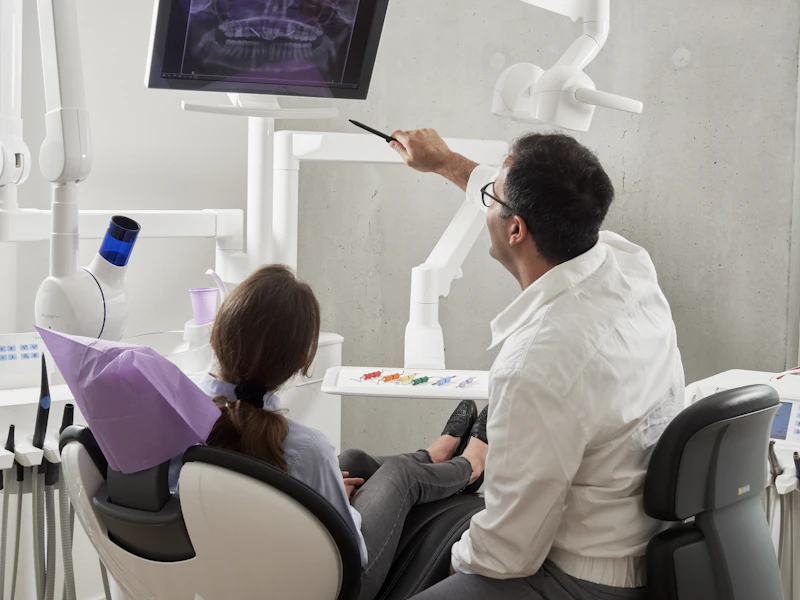
Even the most diligent brushers leave behind areas of the mouth that are difficult to reach. Over time, plaque—a sticky film of bacteria—hardens into tartar or calculus. Unlike plaque, which can be removed at home, tartar bonds firmly to the tooth enamel and can only be removed by a professional using specialized tools. A dentist teeth cleaning serves as a deep reset for your oral microbiome, preventing the progression of gingivitis into more severe forms of periodontal disease.
Beyond plaque removal, these visits allow your dental team to perform a thorough examination. Early detection of small cavities, hairline fractures, or signs of oral cancer can mean the difference between a simple filling and a complex root canal or surgery. By prioritizing these visits, you are investing in a proactive health strategy that minimizes the need for invasive treatments down the road.
The Step-by-Step Cleaning Process
Knowing what happens during your appointment can significantly reduce dental anxiety. A standard professional cleaning typically follows a structured sequence designed to maximize hygiene and patient comfort:
- Physical Exam: Before the cleaning begins, the hygienist performs a brief assessment of your mouth, checking for red flags like inflammation, sores, or signs of decay.
- Plaque and Tartar Removal: Using a tool called a scaler, the hygienist gently scrapes away hardened calculus from around the gum line and between the teeth.
- Gritty Toothpaste Cleaning: Once the teeth are tartar-free, the hygienist uses a high-powered electric brush with a special, slightly abrasive toothpaste to scrub away any remaining debris and polish the enamel.
- Expert Flossing: Even if you floss daily, the professional can reach deep between the teeth and identify spots where your gums may be bleeding or prone to sensitivity.
- Rinsing and Fluoride Treatment: Finally, your mouth is rinsed to remove any debris, and a fluoride varnish or gel is applied to protect your teeth and strengthen the enamel until your next visit.
💡 Note: If you experience persistent sensitivity during the scaling process, inform your hygienist immediately; they can often adjust their technique or apply numbing agents to ensure you remain comfortable throughout the appointment.
The Long-Term Benefits of Regular Maintenance
Consistency is key to oral health. When you schedule your dentist teeth cleaning every six months, you aren't just cleaning your teeth; you are maintaining your overall systemic health. Research has shown a strong link between oral hygiene and heart health, diabetes management, and pregnancy outcomes. When bacteria in the mouth grow out of control due to lack of professional care, that bacteria can enter the bloodstream and cause inflammation throughout the body.
To help you track the value of these visits, consider the following comparison between proactive care and reactive treatment:
| Aspect | Proactive Care (Regular Cleaning) | Reactive Care (Ignoring Visits) |
|---|---|---|
| Cost | Minimal, often covered by insurance | Expensive (Crowns, implants, surgeries) |
| Time | One hour, twice a year | Multiple appointments and recovery time |
| Pain Levels | Virtually painless | Potential for toothaches and invasive procedures |
| Long-term result | Strong teeth and healthy gums | Potential tooth loss or gum recession |
Tips for Maximizing Your Dental Appointment
To make the most of your time in the chair, come prepared. If you have noticed any specific issues, such as occasional tooth sensitivity or bleeding while flossing, make sure to bring these up during the initial exam. Dentists appreciate when patients are communicative about their specific concerns, as it allows them to tailor their focus areas and provide more personalized preventive advice.
💡 Note: Do not forget to update your dental provider on any new medications you are taking, as certain drugs can cause dry mouth or changes in oral tissue that your dentist needs to account for during your cleaning.
Furthermore, maintaining excellent hygiene between visits is crucial. Use a soft-bristled toothbrush and replace it every three to four months. Incorporate interdental cleaning tools like water flossers or specialized brushes if you struggle to clean tight spaces. By combining these daily habits with your semi-annual professional sessions, you create a robust defense system for your mouth.
Investing time in your dental health is an investment in your total well-being. A dentist teeth cleaning acts as the primary barrier against the silent accumulation of plaque and the onset of gum disease. By adhering to a consistent schedule, you not only enjoy the aesthetic benefits of a polished, bright smile but also protect yourself against the systemic risks associated with poor oral hygiene. Remember that prevention is always more effective, less painful, and more affordable than cure. Make it a point to prioritize these visits as a non-negotiable part of your health journey, ensuring that your smile remains healthy, functional, and radiant for a lifetime.
Related Terms:
- dentist teeth cleaning methods
- dental hygienist cleaning teeth
- teeth cleaning procedure at dentist
- dentist cleaning teeth price
- teeth cleaning cost near me
- teeth cleaning methods by dentist