
When the crisp, biting air of winter sets in or the dry heat of summer takes over, many of us notice our skin becoming tight, our throats feeling scratchy, and our sinuses protesting the lack of moisture. This is where understanding the benefits of a humidifier becomes essential. A humidifier is more than just a home appliance; it is a vital tool for maintaining a healthy indoor environment by restoring the optimal balance of moisture in the air. By adding water vapor into your living space, you can mitigate a variety of health and comfort issues that arise when indoor humidity levels drop too low.
The Science Behind Humidity Levels
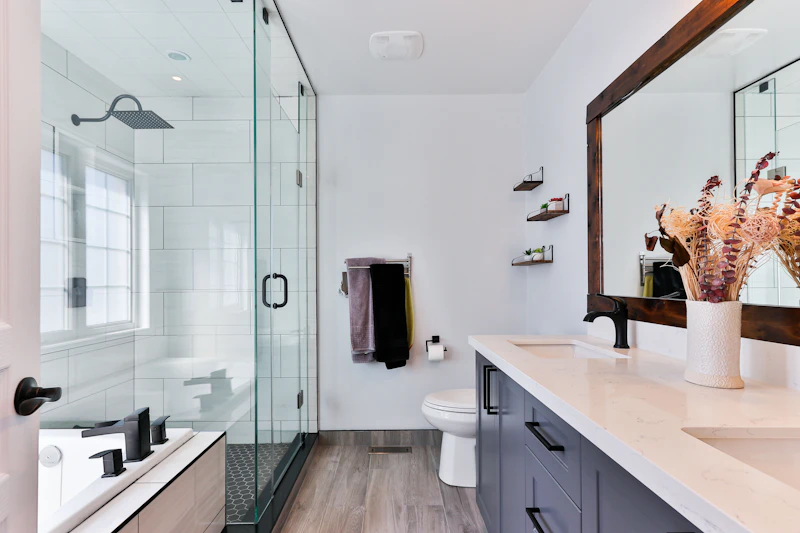
Maintaining a healthy home environment is heavily dependent on relative humidity—the amount of water vapor present in the air compared to the maximum amount the air could hold at that temperature. Ideally, your home should stay between 30% and 50% humidity. When levels fall below this, the air begins to draw moisture from everything in its path, including your skin, your furniture, and even your indoor plants.
The benefits of a humidifier are most apparent during the heating season. As indoor heating systems crank up, they strip the air of its natural moisture, leading to "dry air syndrome." Investing in a high-quality humidifier can help prevent this atmospheric imbalance, leading to a more comfortable and breathable living space throughout the year.
Key Health Advantages
One of the primary reasons people seek out the benefits of a humidifier is to alleviate respiratory discomfort. When your mucous membranes become dry, your body becomes more susceptible to allergens and viruses. A humidifier helps keep your airways hydrated, which allows your body’s natural defenses to function more effectively.
- Alleviation of Cold and Flu Symptoms: Moisture in the air helps loosen congestion and keeps the throat moist, reducing the severity of a cough or a sore throat.
- Improved Sinus Health: Dry sinuses can lead to pressure, headaches, and discomfort. Adding moisture can soothe irritated nasal passages.
- Reduced Snoring: By keeping the throat and nasal passages hydrated, many users find that the intensity of their snoring is significantly reduced, leading to a better night's rest.
- Skin and Lip Hydration: If you suffer from cracked lips, dry patches, or itchy skin during the winter, a humidifier acts as a natural moisturizer, keeping your skin supple.
Comparison of Humidifier Types
Understanding which device is right for your home is the next step in unlocking the full benefits of a humidifier. Different technologies offer different advantages depending on your specific needs, such as noise levels, maintenance, and the size of the room.
| Type | Best For | Maintenance Level |
|---|---|---|
| Ultrasonic | Small to medium rooms, whisper-quiet | High (Regular cleaning required) |
| Evaporative | Large areas, natural humidification | Moderate (Filter changes needed) |
| Steam Vaporizer | Sterile moisture (boils water) | Low |
| Cool Mist | Safety (no heat), energy efficiency | Moderate |
Protecting Your Home Environment
Beyond personal health, there are significant benefits of a humidifier for your household items. Extreme dryness can have a damaging effect on your home’s infrastructure. For instance, wooden flooring can shrink and crack in overly dry conditions, and musical instruments like guitars or pianos may lose their tuning or experience structural damage to their wood.
By keeping the humidity levels steady, you are essentially preserving the longevity of your home’s interior. Indoor plants also tend to thrive in moderately humid environments, as they are less likely to lose moisture through their leaves, leading to greener, healthier growth.
💡 Note: Always use distilled or demineralized water in your humidifier to prevent the release of white dust—minerals found in tap water—into your living space.
Best Practices for Usage
While the benefits of a humidifier are clear, they must be used correctly to be truly effective and safe. Follow these tips to ensure you are maximizing the performance of your machine:
- Clean Regularly: Stagnant water can become a breeding ground for mold and bacteria. Aim to wash the tank and base at least once a week.
- Monitor Levels: Use a hygrometer to keep track of your home’s humidity. Going above 50% can actually promote mold growth and dust mites.
- Strategic Placement: Place the device in the middle of a room or on a hard, level surface. Avoid putting it on carpets or near curtains where moisture can accumulate.
- Regular Filter Changes: If your model uses a filter, replace it according to the manufacturer’s instructions to ensure the air output remains clean and efficient.
⚠️ Note: If you notice any condensation on your windows, it is a clear sign that the humidity levels are too high; turn down or turn off your humidifier immediately to prevent mold accumulation.
Integrating Humidification into Your Daily Routine
To truly experience the benefits of a humidifier, consistency is key. Many individuals find that running the humidifier during the sleep hours is the most effective way to wake up feeling refreshed. By focusing on your bedroom first, you prioritize your respiratory health during the crucial hours of recovery and rest. As you become accustomed to the improved air quality, you may decide to add smaller, localized humidifiers to other frequently used rooms, such as your home office or the living area.
It is important to remember that a humidifier is not a replacement for medical treatment but rather a supportive lifestyle tool. If you suffer from chronic asthma or severe allergies, consult with a healthcare professional before adding a humidifier to your routine to ensure it aligns with your specific treatment plan. By selecting the right technology, keeping the unit impeccably clean, and monitoring your environment’s moisture balance, you can create a sanctuary of comfort that protects both your health and your home’s integrity throughout the year. The investment in this simple technology pays off in better sleep, clearer breathing, and a generally more pleasant atmosphere in which to live and thrive.
Related Terms:
- how do humidifiers work
- warm mist vs cool humidifier
- humidifiers pros and cons
- benefits of humidifiers for home
- why do we need humidifier
- why do people use humidifiers